April Birth FlowersDaisy & Sweet Pea
Updated June 2026
Innocence, purity, blissful pleasure, and the joy of spring
Quick answer: The birth flowers for April are the Daisy and the Sweet Pea.
Daisies symbolize innocence and purity, while sweet peas represent blissful pleasure and gratitude: a cheerful pairing for the heart of spring.
What Are April's Birth Flowers?
April has two birth flowers: the daisy and the sweet pea. This cheerful pairing captures everything that makes April special: the daisy's sunlit simplicity alongside the sweet pea's fragrance and delicate ruffled petals.
The daisy (Bellis perennis) is April's primary birth flower. Its name comes from the Old English "day's eye," because the flower opens its petals at sunrise and folds them closed at dusk. What appears to be a single flower is actually a composite of dozens of tiny florets: white ray florets forming the "petals" and yellow disc florets making up the sunny center.
The sweet pea (Lathyrus odoratus) is April's secondary birth flower. This climbing annual vine produces clusters of ruffled, butterfly-like blooms in shades from soft lavender and blush pink to creamy white and deep magenta. Sweet peas are arguably the most fragrant garden flower, with a perfume so distinctive that it has been a fixture in the fragrance industry for over a century.
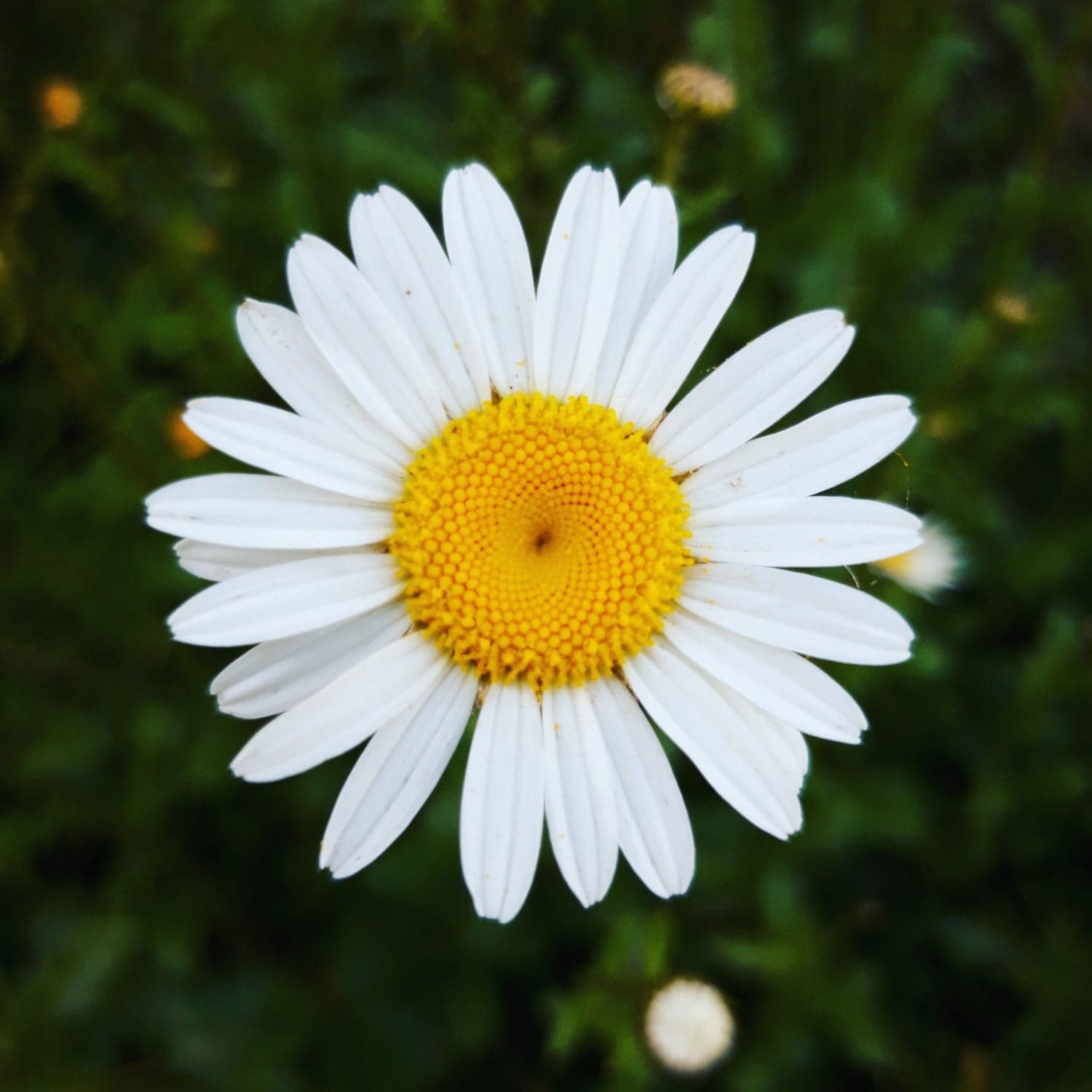
Daisy: Meaning & Color Symbolism
While the classic white-and-yellow daisy is the most familiar, the broader daisy family (including Gerbera, Shasta, and English daisies) spans a vivid color spectrum. Each shade carries its own symbolic weight:
Daisy Meanings by Color
White
Innocence, purity, and new beginnings
Pink
Gentle love, admiration, and romance
Red
Bold love, passion, and deep affection
Yellow
Cheerfulness, friendship, and joy
Orange
Warmth, enthusiasm, and creative energy
Lavender
Elegance, grace, and feminine beauty
Cultural Significance
In Norse mythology, the daisy was the sacred flower of Freya, goddess of love, beauty, and fertility. Giving daisies to a new mother was a blessing for her child's future. In Celtic tradition, the gods would scatter daisies across meadows to console parents who had lost children, giving the flower lasting themes of comfort and resilience.
The daisy's association with romantic love is woven deep into European folk culture. The practice of plucking petals while chanting "loves me, loves me not" began in France and spread across the continent. Medieval knights wore daisies as tokens of devotion during tournaments, and young women placed daisy roots under their pillows hoping to dream of their future spouse.
Sweet Pea: Meaning & Symbolism
Sweet peas symbolize blissful pleasure, gratitude, departure, and tender memory. In the Victorian language of flowers, a bouquet of sweet peas said "thank you for a wonderful time" or served as a gentle goodbye, making them a fitting flower for farewells, graduations, and expressions of appreciation.
The sweet pea's journey from a wild Sicilian weed to one of the world's most beloved garden flowers is a remarkable story. In 1699, a Franciscan monk named Father Francisco Cupani discovered the plant growing wild near Palermo and sent seeds to England. The original flowers were small and bicolored purple-and-red, a far cry from the lush, ruffled blooms we know today.
It was Scottish nurseryman Henry Eckford who transformed the sweet pea in the late 1800s, breeding larger flowers in an expanded color palette. Then in 1901, Silas Cole, head gardener at Althorp Park (the Spencer family estate), discovered a sport with larger, wavy-edged petals. These "Spencer" sweet peas became a sensation, triggering a mania in Edwardian England where new varieties sold for extraordinary sums.
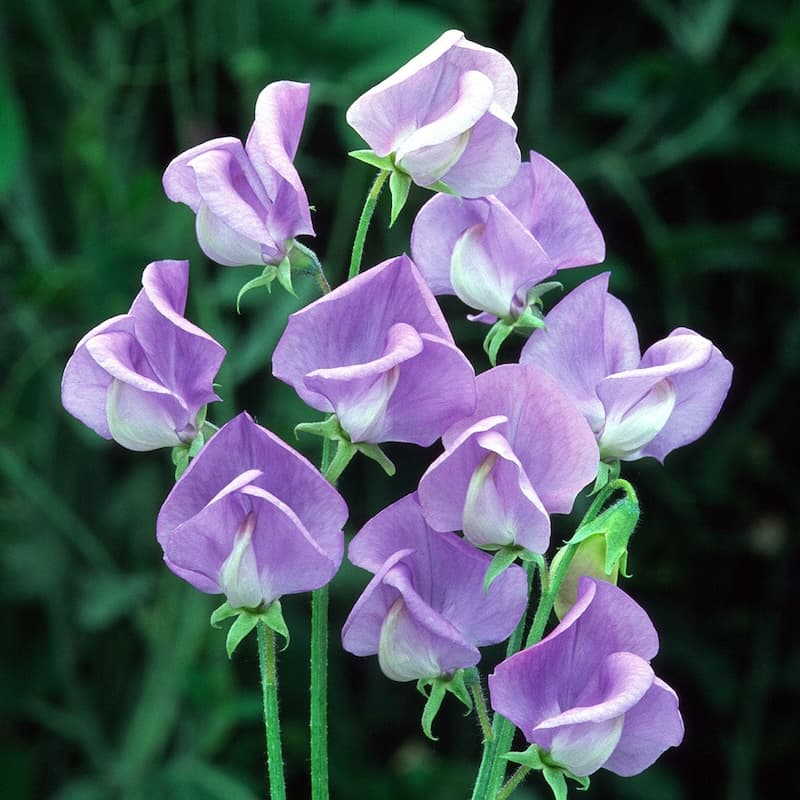
History of April's Birth Flowers
Daisy History
Daisies have been part of human culture for thousands of years. Ancient Egyptians used daisy extracts in medicines, and Roman surgeons soaked bandages in daisy juice to treat wounds on the battlefield. The flower's Latin name, Bellis perennis, may come from "bellum" (war) for this very reason.
In medieval Europe, daisies were called "Mary's flower" and associated with the Virgin Mary. King Henry VIII ate dishes of daisies to ease his stomach ulcers. By the Victorian era, the daisy had become a symbol of loyal love in the language of flowers, its daily opening and closing echoing a lover's constant devotion.
Sweet Pea History
The sweet pea was unknown outside Sicily until Father Cupani sent seeds to England in 1699. For nearly two centuries it remained a minor garden curiosity, until Henry Eckford's breeding program in the 1880s produced spectacular new colors and forms, sparking widespread interest.
The early 1900s saw "sweet pea mania" sweep Britain. The National Sweet Pea Society was founded in 1900, and by 1912, more than 250 new varieties were being exhibited at its annual shows. Sweet peas became the era's most fashionable flower, gracing Edwardian dinner tables, bridal bouquets, and buttonholes alike. Today they remain among the most popular cottage garden flowers worldwide.
How to Grow April's Birth Flowers
🌼 Growing Daisies
- Light:Full sun to partial shade (6+ hours of sun for most blooms)
- Soil:Well-drained, moderately fertile soil
- Water:Regular watering: keep soil evenly moist but not waterlogged
- Zones:USDA zones 4–8 for English daisies; Gerbera zones 8–11
- Bloom:Spring through fall with regular deadheading
- Tip:Deadhead spent flowers consistently to extend blooming by weeks
🌺 Growing Sweet Peas
- Light:Full sun with cool roots (mulch helps in warm climates)
- Soil:Rich, deeply dug soil with plenty of compost or manure
- Water:Deep, regular watering, especially during flowering
- Zones:Best grown as cool-season annuals in most zones
- Bloom:Spring to early summer; they stop in hot weather
- Tip:Pick flowers every 2–3 days to keep plants producing new blooms
Popular Varieties
English Daisy
Bellis perennis
The classic daisy: low-growing rosettes of white petals and a golden center. Blooms profusely in spring and makes charming ground cover.
Shasta Daisy
Leucanthemum x superbum
Larger, bolder blooms on tall stems with pure white petals. A summer-blooming perennial that makes an outstanding cut flower.
Gerbera Daisy
Gerbera jamesonii
Large, vivid blooms in orange, red, pink, and yellow: the fifth most popular cut flower in the world and a floral arrangement staple.
Spencer Sweet Pea
L. odoratus 'Spencer'
Large, wavy, ruffled blooms on long stems with exceptional fragrance. The gold standard for cutting gardens and floral arrangements.
Old-Fashioned Sweet Pea
L. odoratus 'Grandiflora'
Heirloom varieties with smaller flowers but a more intense fragrance. More heat-tolerant than modern types with a longer bloom season.
Cupid Sweet Pea
L. odoratus 'Dwarf'
Compact plants growing just 6–8 inches tall, perfect for containers and hanging baskets while retaining full-sized fragrant flowers.
Interesting Facts
Not One Flower, But Many
What looks like a single daisy is actually a composite of two types of flowers: white ray florets forming the "petals" and dozens of tiny yellow disc florets making up the center. Each disc floret is a complete flower.
Day's Eye
The name "daisy" comes from the Old English "daes eage" meaning "day's eye." Daisies open at dawn and close at dusk, a behavior called nyctinasty that protects their pollen from nighttime dew and cold.
Discovered by a Monk
Sweet peas were discovered growing wild in Sicily by Franciscan monk Father Francisco Cupani in 1699. He sent seeds to England, launching a journey that would make the sweet pea one of the world's most beloved garden flowers.
Beautiful but Toxic
Despite their enticing name and fragrance, sweet peas are poisonous if eaten. They contain lathyrogens that can cause lathyrism, affecting the nervous system. They should never be confused with edible garden peas.
Edible Daisies
English daisy leaves and petals are edible and surprisingly nutritious, rich in vitamin C. They have been used in salads, soups, and herbal teas for centuries. Roman surgeons used daisy juice as a wound treatment.
Genetics Pioneer
Sweet peas played a key role in early genetics research. In 1905, scientists William Bateson and Reginald Punnett used sweet pea crosses to discover gene linkage, a breakthrough that shaped our understanding of heredity.
How to Use April's Birth Flowers
Birthday Bouquets
Mix Gerbera daisies with sweet peas in soft pastels for a fragrant, colorful April birthday arrangement. The daisies add structure while sweet peas contribute airy elegance and scent.
Home & Garden
Plant English daisies as spring ground cover and train sweet peas up trellises or fences for a vertical cascade of fragrant blooms. Both thrive in cottage garden settings.
Tattoo Inspiration
The daisy's simple, iconic shape and the sweet pea's flowing tendrils make beautiful birth flower tattoo designs, often combined in a single composition with watercolor-style coloring.
Special Occasions
Sweet peas are classic in bridal bouquets for their delicate beauty and perfume. White daisies work beautifully for christenings and baby showers, celebrating innocence and new life.
April Birth Flowers by Date
Daisy and sweet pea belong to all of April. The flowers stay the same from the 1st to the 30th, while the zodiac sign changes:
April birth flowers for every date
| Date | Zodiac Sign | Birth Flowers |
|---|---|---|
| April 1st | Aries | Daisy & Sweet Pea |
| April 2nd | Aries | Daisy & Sweet Pea |
| April 3rd | Aries | Daisy & Sweet Pea |
| April 4th | Aries | Daisy & Sweet Pea |
| April 5th | Aries | Daisy & Sweet Pea |
| April 6th | Aries | Daisy & Sweet Pea |
| April 7th | Aries | Daisy & Sweet Pea |
| April 8th | Aries | Daisy & Sweet Pea |
| April 9th | Aries | Daisy & Sweet Pea |
| April 10th | Aries | Daisy & Sweet Pea |
| April 11th | Aries | Daisy & Sweet Pea |
| April 12th | Aries | Daisy & Sweet Pea |
| April 13th | Aries | Daisy & Sweet Pea |
| April 14th | Aries | Daisy & Sweet Pea |
| April 15th | Aries | Daisy & Sweet Pea |
| April 16th | Aries | Daisy & Sweet Pea |
| April 17th | Aries | Daisy & Sweet Pea |
| April 18th | Aries | Daisy & Sweet Pea |
| April 19th | Aries | Daisy & Sweet Pea |
| April 20th | Taurus | Daisy & Sweet Pea |
| April 21st | Taurus | Daisy & Sweet Pea |
| April 22nd | Taurus | Daisy & Sweet Pea |
| April 23rd | Taurus | Daisy & Sweet Pea |
| April 24th | Taurus | Daisy & Sweet Pea |
| April 25th | Taurus | Daisy & Sweet Pea |
| April 26th | Taurus | Daisy & Sweet Pea |
| April 27th | Taurus | Daisy & Sweet Pea |
| April 28th | Taurus | Daisy & Sweet Pea |
| April 29th | Taurus | Daisy & Sweet Pea |
| April 30th | Taurus | Daisy & Sweet Pea |
April Birth Flower & Birthstone Connection
The daisy's pristine white petals mirror the diamond's brilliance and clarity: both symbolize purity, innocence, and timeless beauty.
Sweet peas' pastel blooms refract light like tiny prisms, echoing the diamond's famous fire and prismatic play of color.
Both April's flowers and gemstone represent enduring love, daisies through their faithful daily blooming cycle and diamonds through their legendary permanence.
Just as diamonds form under immense pressure deep underground, sweet pea seeds must be planted deep in rich soil to thrive: beauty emerging from humble, hidden origins.