May Birth FlowersLily of the Valley & Hawthorn
Updated June 2026
Sweetness, purity, hope, and the joy of spring's return
Quick answer: The birth flowers for May are the Lily of the Valley and the Hawthorn.
Lily of the valley symbolizes a return to happiness and purity, while hawthorn represents hope and protection: a fitting pair for the month that celebrates the fullness of spring.
What Are May's Birth Flowers?
May has two birth flowers: the lily of the valley and the hawthorn. Together, they capture late spring: the lily of the valley's delicate sweetness paired with the hawthorn's abundant, joyful blossoms covering hedgerows and hillsides.
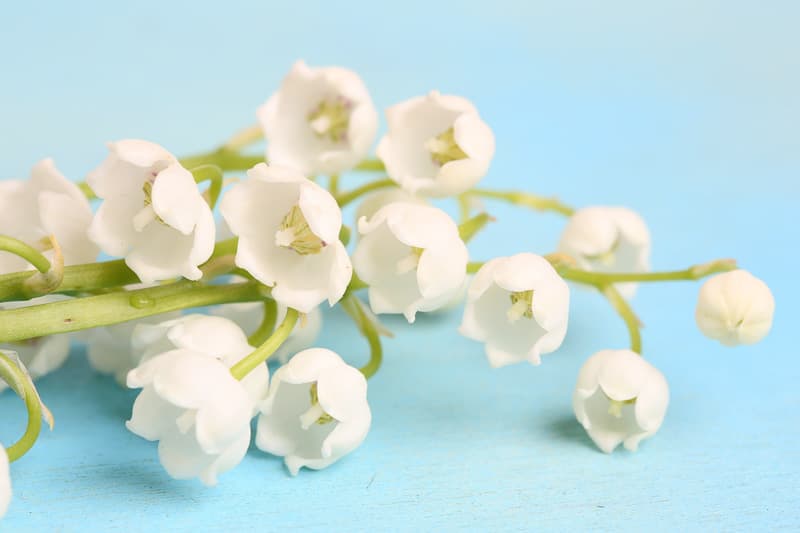
The lily of the valley (Convallaria majalis) is the primary May birth flower. Its Latin name literally means "of or belonging to May," and its tiny, nodding white bells release one of the most intoxicating fragrances in the plant world. Despite its delicate appearance, it is a vigorous woodland groundcover that spreads readily through underground rhizomes.
The hawthorn (Crataegus) is May's secondary birth flower, often called the "May tree" because it blooms right on cue. This deciduous shrub or small tree produces dense clusters of white or pink five-petaled flowers, followed by bright red berries in autumn that sustain birds through winter.
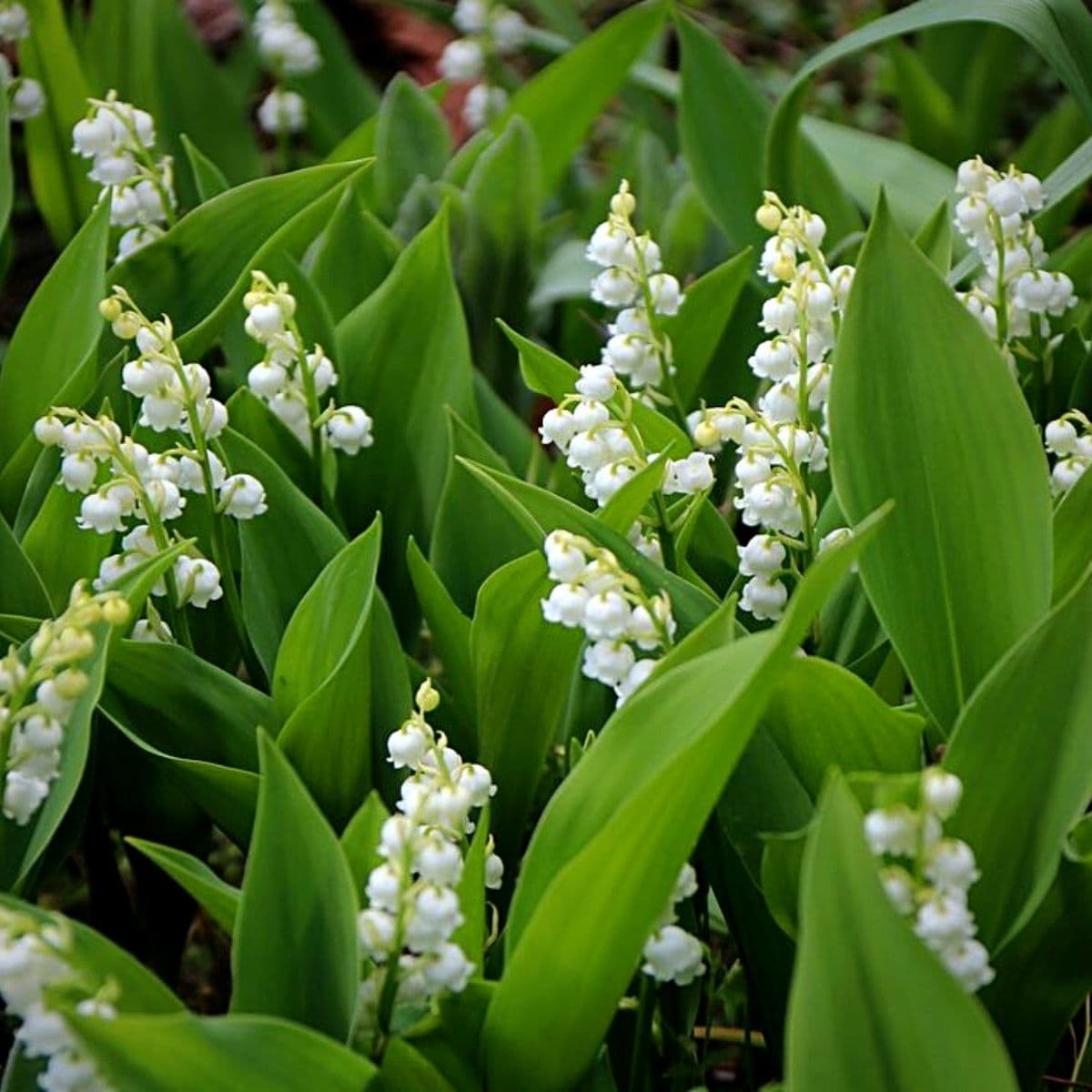
Lily of the Valley: Meaning & Color Symbolism
While lily of the valley is most famous for its pristine white bells, rare varieties and the subtle tones of its blooms carry distinct messages in the language of flowers:
Lily of the Valley Meanings by Color
White
Purity, innocence, and a return to happiness
Pink (Rosea)
Gentle affection and youthful sweetness
Green (Bells)
Renewal, fertility, and the freshness of spring
Cream / Ivory
Elegance, grace, and quiet devotion
Cultural Significance
In Christian tradition, lily of the valley is known as "Our Lady's Tears." Legend says it sprang from the tears of the Virgin Mary at the foot of the cross, and the story still gives the flower its themes of motherly love and consolation.
In France, May 1st is celebrated as "La Fete du Muguet" (Lily of the Valley Day), when people exchange sprigs of the flower as tokens of good luck. This tradition dates to 1561, when King Charles IX received a sprig of lily of the valley as a good-luck charm and loved it so much he gave bouquets to the ladies of his court every May Day thereafter.
Hawthorn: Meaning & Symbolism
The hawthorn symbolizes hope, protection, and fertility. As the centerpiece of May Day celebrations for centuries, its explosion of white blossoms signals that the last frosts are past and the warm season has truly arrived.
In Celtic mythology, the hawthorn was one of the most sacred trees, believed to mark the boundary between the mortal world and the fairy realm. Lone hawthorn trees growing in fields were considered fairy meeting places, and cutting one down was thought to bring terrible misfortune. Even today, road construction in Ireland has been rerouted to avoid felling solitary hawthorn trees.
Despite its association with protection and celebration, the hawthorn carried a dual nature: bringing its blossoms indoors was considered bad luck in many parts of Britain, except during May Day when the tradition was specifically permitted. Its thorny branches made it a natural symbol of defense, and medieval families planted hawthorn hedges around their homes as living fences.
History of May's Birth Flowers
Lily of the Valley History
Lily of the valley has been cultivated since at least the 16th century, though it has grown wild across Europe and Asia for millennia. It was a fixture in medieval monastery gardens, used both medicinally and as a symbol of the second coming of Christ.
The flower became a staple of royal weddings, featured in the bridal bouquets of Queen Victoria's daughters, Grace Kelly, and Catherine, Princess of Wales. Christian Dior chose it as the emblem of his fashion house, calling it his "talisman of happiness." It is also the national flower of Finland.
Hawthorn History
Hawthorn holds a central place in European folklore stretching back thousands of years. The ancient Greeks associated it with marriage, and brides carried hawthorn blossoms as a sign of fertility and hope. Romans placed hawthorn leaves in cradles to protect infants from evil spirits.
In medieval England, "going a-Maying" meant gathering hawthorn branches at dawn on May 1st to decorate homes and village maypoles. The famous Glastonbury Thorn, a hawthorn said to have sprouted from the staff of Joseph of Arimathea, bloomed each Christmas and became one of Britain's most celebrated botanical legends.
How to Grow May's Birth Flowers
🌿 Growing Lily of the Valley
- Light:Partial to full shade (thrives under deciduous trees)
- Soil:Rich, moist, humus-laden soil that drains well
- Water:Keep consistently moist; do not let soil dry out
- Zones:USDA zones 3–7
- Bloom:Late April through May, lasting 2–3 weeks
- Tip:Plant pips (rhizomes) in fall, 1 inch deep and 6 inches apart. They spread vigorously, so consider edging or containers
🌳 Growing Hawthorn
- Light:Full sun to partial shade (blooms best in full sun)
- Soil:Adaptable to most soils, including clay and chalk
- Water:Drought-tolerant once established; water young trees regularly
- Zones:USDA zones 5–9 (varies by species)
- Bloom:May, with red berries (haws) appearing in autumn
- Tip:Ideal for hedgerows and wildlife gardens: birds love the berries, and the thorny branches provide nesting shelter
Popular Varieties
Common Lily of the Valley
Convallaria majalis
The classic variety with arching stems of fragrant white bells, growing 6–12 inches tall in shaded woodland settings.
Rosea Lily of the Valley
C. majalis 'Rosea'
A rare and sought-after pink-flowered variety with the same sweet fragrance as the white form.
Albostriata
C. majalis 'Albostriata'
Features striking white-striped foliage that adds visual interest even when the plant is not in bloom.
Common Hawthorn
Crataegus monogyna
The most widespread hawthorn in Europe, with clusters of white flowers and bright red autumn berries used in hedgerows.
Midland Hawthorn
C. laevigata
Less deeply lobed leaves; the 'Paul's Scarlet' cultivar produces showy double pink-red flowers prized in ornamental gardens.
Washington Hawthorn
C. phaenopyrum
A North American species with white flowers, glossy leaves that turn orange-red in fall, and persistent berries for winter birds.
Interesting Facts
Beautifully Deadly
Despite its delicate appearance, every part of the lily of the valley is poisonous. It contains over 30 cardiac glycosides that can cause serious heart irregularities if ingested.
France's Lucky Charm
On May 1st, the French celebrate "La Fete du Muguet" by exchanging lily of the valley sprigs. Temporary street vendors are even granted special licenses to sell them without tax.
Perfume's White Whale
Lily of the valley yields almost no essential oil, making its natural scent nearly impossible to extract. Most "muguet" perfumes rely on synthetic recreations of the fragrance.
Sacred Fairy Tree
In Irish folklore, solitary hawthorn trees are considered fairy meeting places. Roads in modern Ireland have been rerouted rather than disturb a lone hawthorn.
Heart Medicine
Hawthorn berries contain flavonoids and procyanidins that support cardiovascular health. They have been used in European herbal medicine for heart conditions since the first century.
Royal Wedding Flower
Lily of the valley has appeared in the bridal bouquets of numerous royal weddings, from Queen Victoria's daughters to Grace Kelly to Catherine, Princess of Wales.
How to Use May's Birth Flowers
Birthday Bouquets
A posy of lily of the valley makes an elegant, intensely fragrant May birthday gift. Pair with hawthorn blossoms and fresh greenery for a seasonal arrangement that celebrates spring.
Home & Garden
Plant lily of the valley as a low-maintenance groundcover under trees. Grow hawthorn as a specimen tree, privacy hedge, or wildlife habitat: its flowers, berries, and thorns all serve a purpose.
Tattoo Inspiration
Lily of the valley's graceful bell-shaped blooms translate beautifully into tattoo art, often symbolizing a return to happiness or a connection to May birthdays and motherhood.
Special Occasions
Lily of the valley is a classic bridal flower symbolizing purity and happiness. Use hawthorn blossoms in May Day decorations, or dry the berries for autumn and winter wreaths.
May Birth Flowers by Date
Lily of the valley and hawthorn cover every May birthday. The flower is constant; your zodiac sign depends on the date:
May birth flowers for every date
| Date | Zodiac Sign | Birth Flowers |
|---|---|---|
| May 1st | Taurus | Lily of the Valley & Hawthorn |
| May 2nd | Taurus | Lily of the Valley & Hawthorn |
| May 3rd | Taurus | Lily of the Valley & Hawthorn |
| May 4th | Taurus | Lily of the Valley & Hawthorn |
| May 5th | Taurus | Lily of the Valley & Hawthorn |
| May 6th | Taurus | Lily of the Valley & Hawthorn |
| May 7th | Taurus | Lily of the Valley & Hawthorn |
| May 8th | Taurus | Lily of the Valley & Hawthorn |
| May 9th | Taurus | Lily of the Valley & Hawthorn |
| May 10th | Taurus | Lily of the Valley & Hawthorn |
| May 11th | Taurus | Lily of the Valley & Hawthorn |
| May 12th | Taurus | Lily of the Valley & Hawthorn |
| May 13th | Taurus | Lily of the Valley & Hawthorn |
| May 14th | Taurus | Lily of the Valley & Hawthorn |
| May 15th | Taurus | Lily of the Valley & Hawthorn |
| May 16th | Taurus | Lily of the Valley & Hawthorn |
| May 17th | Taurus | Lily of the Valley & Hawthorn |
| May 18th | Taurus | Lily of the Valley & Hawthorn |
| May 19th | Taurus | Lily of the Valley & Hawthorn |
| May 20th | Taurus | Lily of the Valley & Hawthorn |
| May 21st | Gemini | Lily of the Valley & Hawthorn |
| May 22nd | Gemini | Lily of the Valley & Hawthorn |
| May 23rd | Gemini | Lily of the Valley & Hawthorn |
| May 24th | Gemini | Lily of the Valley & Hawthorn |
| May 25th | Gemini | Lily of the Valley & Hawthorn |
| May 26th | Gemini | Lily of the Valley & Hawthorn |
| May 27th | Gemini | Lily of the Valley & Hawthorn |
| May 28th | Gemini | Lily of the Valley & Hawthorn |
| May 29th | Gemini | Lily of the Valley & Hawthorn |
| May 30th | Gemini | Lily of the Valley & Hawthorn |
| May 31st | Gemini | Lily of the Valley & Hawthorn |
May Birth Flower & Birthstone Connection
Both the lily of the valley and the emerald share rich green tones that symbolize growth, renewal, and the lushness of spring.
Lily of the valley's association with happiness and good fortune mirrors the emerald's reputation as a stone of prosperity and wisdom.
The hawthorn's white blossoms complement the emerald's brilliance, and both have been cherished across cultures for thousands of years.
Like the rare and precious emerald, lily of the valley blooms for only a few fleeting weeks each year, making both treasures of the season.