July Birth FlowersLarkspur & Water Lily
Updated June 2026
Open hearts, purity, and the radiance of midsummer
Quick answer: The birth flowers for July are the Larkspur and the Water Lily.
Larkspur symbolizes an open heart, positivity, and strong bonds of love, while the water lily represents purity and rebirth: together they capture the warmth and brilliance of midsummer.
What Are July's Birth Flowers?
July has two birth flowers: the larkspur and the water lily. This pairing reflects the full character of midsummer: the larkspur's towering, exuberant spikes of color reaching toward the sky, balanced by the water lily's serene, meditative beauty floating on tranquil ponds.
The larkspur (Delphinium) is the primary July birth flower. Its name comes from the spur-shaped nectary at the back of each bloom, which early botanists thought resembled a lark's claw. Delphiniums produce dramatic vertical spikes of densely packed blossoms in stunning shades of blue, purple, pink, and white, making them a centerpiece of cottage gardens and summer borders.
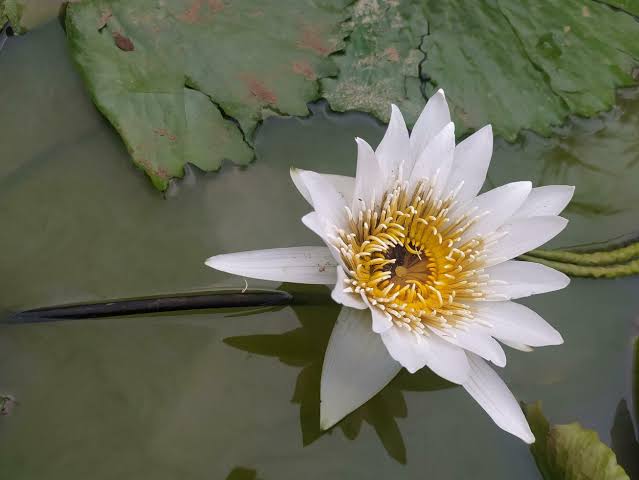
The water lily (Nymphaea) is July's secondary birth flower. These aquatic plants produce stunning blooms that rise just above the water's surface, opening each morning and closing each evening in a daily rhythm that ancient civilizations interpreted as a symbol of death and resurrection. Their round, floating leaves provide shade and shelter for aquatic life below.
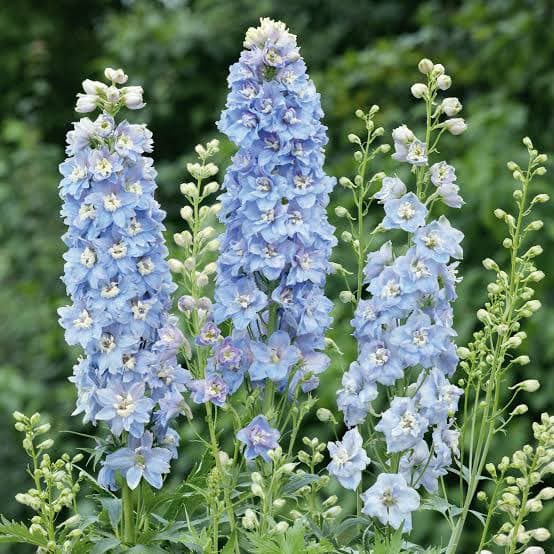
Larkspur: Meaning & Color Symbolism
Like many flowers in the Victorian language of flowers, each larkspur color carried a distinct message. The tall, stately blooms made them natural choices for conveying strong emotions:
Larkspur Meanings by Color
Blue / Purple
Dignity, grace, and an open heart
Pink
Fickleness and a capricious, youthful nature
White
Happiness, joy, and a lighthearted spirit
Deep Violet
First love and the enchantment of new romance
Light Blue
Serenity, calm, and spiritual transcendence
Cultural Significance
In Greek mythology, the larkspur is tied to the story of Ajax, the warrior who fought in the Trojan War. When Achilles' armor was awarded to Odysseus instead of Ajax, Ajax was so grief-stricken that he fell on his sword. From his blood sprang the larkspur, with markings on the petals said to spell "AI," the Greek word for grief.
Native American tribes used larkspur in ceremonies and medicinally, despite its toxicity. Early European settlers crushed the blooms to make blue ink and fabric dyes. In England, larkspur was a staple of the traditional cottage garden, where its vertical spikes provided height and drama among lower-growing flowers.
Water Lily: Meaning & Symbolism
The water lily symbolizes purity, enlightenment, and rebirth. Its most powerful symbolism comes from its growing habit: the flower rises from muddy pond bottoms through dark water to bloom in pristine beauty on the surface, a metaphor for transcendence over adversity that resonates across cultures.
In ancient Egypt, the blue water lily (Nymphaea caerulea) was one of the most sacred plants. It was associated with the sun god Ra because, like the sun, it opened each morning and closed each night. Egyptians placed water lilies on tombs and incorporated them into temple decorations, believing the flower held the power of creation and regeneration.
In Hindu and Buddhist traditions, the closely related lotus represents the soul's journey toward enlightenment. Just as the lotus rises unstained from murky water, so the human spirit can achieve purity despite worldly suffering. The water lily's beauty in art was immortalized by Claude Monet, who painted approximately 250 oil paintings of the water garden at his Giverny home.
History of July's Birth Flowers
Larkspur History
Larkspur has been cultivated in European gardens since the late 16th century, though wild species have grown across the Northern Hemisphere for far longer. The scientific name "Delphinium" comes from the Greek "delphis" (dolphin), as the unopened flower buds were thought to resemble a dolphin's nose.
In the 19th century, plant breeders developed the towering hybrid delphiniums that grace gardens today, some reaching over six feet tall. The Pacific Giants and New Zealand hybrids became garden favorites. In medieval Europe, larkspur was believed to repel scorpions and was hung in doorways as protection against venomous creatures.
Water Lily History
Water lilies are among the oldest flowering plants on Earth, with fossil records dating back approximately 130 million years to the Cretaceous period. Ancient Egyptians revered the blue water lily as a symbol of creation: in their mythology, the world began when a giant water lily emerged from the primordial waters.
In 1837, the discovery of the giant Victoria amazonica water lily in South America (with leaves strong enough to support a child's weight) caused a sensation in Victorian England. Joseph Paxton's greenhouse, built to house the specimen, inspired the design of the Crystal Palace. Monet began painting his water lily garden in 1899, eventually creating some of the most recognizable artworks in history.
How to Grow July's Birth Flowers
🌿 Growing Larkspur
- Light:Full sun to partial shade (morning sun with afternoon shade in hot climates)
- Soil:Rich, well-drained, slightly alkaline soil
- Water:Keep soil consistently moist but never waterlogged
- Zones:USDA zones 3–7 (perennial delphiniums prefer cool summers)
- Bloom:Early to midsummer; cut back after first bloom for a possible second flush
- Tip:Stake tall varieties early in the season: their hollow stems are vulnerable to wind and heavy rain
🪷 Growing Water Lilies
- Light:Full sun: at least 6 hours of direct sunlight daily
- Medium:Still water, 18–30 inches deep (no fountains or currents)
- Soil:Heavy aquatic planting mix or loam in submerged containers
- Zones:Hardy types: zones 4–10; Tropical types: zones 10–12 (or overwinter indoors)
- Bloom:Summer through early fall, with blooms lasting 3–5 days each
- Tip:Fertilize monthly with aquatic plant tablets pushed into the soil; remove spent flowers and yellowing leaves to keep water clean
Popular Varieties
Candle Larkspur
Delphinium elatum
The tallest variety, reaching up to 6 feet, with dense spikes of flowers in shades of blue, purple, pink, or white. A dramatic cottage garden classic.
Rocket Larkspur
Consolida ajacis
An easy-to-grow annual with looser flower spikes on branching stems. Excellent as a cut flower and self-seeds readily for effortless returns.
Chinese Larkspur
D. grandiflorum
A shorter, bushier species with vivid blue flowers. More heat-tolerant than its taller cousins, making it suited to warmer climates.
American White Water Lily
Nymphaea odorata
A fragrant North American native with pure white blooms that open each morning and close by afternoon. Large round leaves shelter aquatic life.
Hardy Red Water Lily
N. 'Attraction'
Deep garnet-red flowers with pointed petals and golden centers. One of the most popular hardy hybrids, blooming prolifically all summer long.
Blue Lotus of Egypt
Nymphaea caerulea
Sacred to the ancient Egyptians, this species features pale blue petals with yellow centers. Historically used in ceremonies and depicted in temple art.
Interesting Facts
Dolphin Flower
The name "Delphinium" comes from the Greek word "delphis" (dolphin), because the flower buds were thought to resemble the shape of a dolphin leaping from the sea.
Beautiful but Deadly
All parts of the larkspur contain toxic alkaloids. In the American West, larkspur poisoning is the leading cause of cattle deaths from toxic plants, costing ranchers millions annually.
Ancient Blue Ink
Before synthetic dyes existed, larkspur petals were crushed to produce a vivid blue ink used for writing and illustrating manuscripts in medieval Europe.
Prehistoric Survivors
Water lilies are among the oldest flowering plants on Earth. Fossil evidence places them at roughly 130 million years old: they were growing when dinosaurs still roamed.
Monet's Obsession
Claude Monet painted approximately 250 oil paintings of the water lilies in his garden at Giverny over the last 30 years of his life. Today, these works hang in museums worldwide.
Living Architecture
The giant Victoria amazonica water lily has leaves up to 10 feet across. Victorian architect Joseph Paxton studied their ribbed undersides to design the structural framework of the Crystal Palace.
How to Use July's Birth Flowers
Birthday Bouquets
Blue and purple larkspur makes a striking July birthday arrangement. Pair with white blooms for contrast, or mix colors for a vibrant summer bouquet that symbolizes an open heart and positivity.
Home & Garden
Plant larkspur at the back of garden borders for vertical drama. Add a water garden feature with water lilies for a peaceful, meditative space that also supports local wildlife.
Tattoo Inspiration
Larkspur's tall, elegant spikes and water lily's floating blooms both translate beautifully into tattoo art. Popular designs combine the two flowers to honor July birthdays with themes of aspiration and purity.
Special Occasions
Use larkspur in summer wedding arrangements for height and color. Float individual water lily blooms in glass bowls as elegant table centerpieces for garden parties and outdoor celebrations.
July Birth Flowers by Date
Larkspur and water lily belong to every day in July. The flower never changes; the zodiac sign does:
July birth flowers for every date
| Date | Zodiac Sign | Birth Flowers |
|---|---|---|
| July 1st | Cancer | Larkspur & Water Lily |
| July 2nd | Cancer | Larkspur & Water Lily |
| July 3rd | Cancer | Larkspur & Water Lily |
| July 4th | Cancer | Larkspur & Water Lily |
| July 5th | Cancer | Larkspur & Water Lily |
| July 6th | Cancer | Larkspur & Water Lily |
| July 7th | Cancer | Larkspur & Water Lily |
| July 8th | Cancer | Larkspur & Water Lily |
| July 9th | Cancer | Larkspur & Water Lily |
| July 10th | Cancer | Larkspur & Water Lily |
| July 11th | Cancer | Larkspur & Water Lily |
| July 12th | Cancer | Larkspur & Water Lily |
| July 13th | Cancer | Larkspur & Water Lily |
| July 14th | Cancer | Larkspur & Water Lily |
| July 15th | Cancer | Larkspur & Water Lily |
| July 16th | Cancer | Larkspur & Water Lily |
| July 17th | Cancer | Larkspur & Water Lily |
| July 18th | Cancer | Larkspur & Water Lily |
| July 19th | Cancer | Larkspur & Water Lily |
| July 20th | Cancer | Larkspur & Water Lily |
| July 21st | Cancer | Larkspur & Water Lily |
| July 22nd | Cancer | Larkspur & Water Lily |
| July 23rd | Leo | Larkspur & Water Lily |
| July 24th | Leo | Larkspur & Water Lily |
| July 25th | Leo | Larkspur & Water Lily |
| July 26th | Leo | Larkspur & Water Lily |
| July 27th | Leo | Larkspur & Water Lily |
| July 28th | Leo | Larkspur & Water Lily |
| July 29th | Leo | Larkspur & Water Lily |
| July 30th | Leo | Larkspur & Water Lily |
| July 31st | Leo | Larkspur & Water Lily |
July Birth Flower & Birthstone Connection
Larkspur's rich purples and the ruby's fiery red both carry associations with passion, strong emotions, and the intensity of midsummer.
The water lily's symbolism of purity and enlightenment balances the ruby's reputation for power and protection, creating a harmonious pairing for July.
Both larkspur and ruby have been used across cultures for protection: larkspur was hung in doorways to repel evil, while rubies were carried as talismans against danger.
Like the precious ruby, both July flowers have ancient roots. Water lilies date back 130 million years, and larkspur appears in Greek mythology tied to the heroes of Troy.