June Birth FlowersRose & Honeysuckle
Updated June 2026
Love, beauty, devotion, and the sweetness of summer
Quick answer: The birth flowers for June are the Rose and the Honeysuckle.
Roses symbolize love and beauty in all their forms, while honeysuckle represents devoted affection and the sweet bonds between lovers: a deeply romantic pairing for the month of June weddings.
What Are June's Birth Flowers?
June has two birth flowers: the rose and the honeysuckle. Together, they capture the warmth and romance of early summer: the rose's timeless beauty and layered symbolism paired with the honeysuckle's intoxicating evening fragrance and tenacious climbing vines.
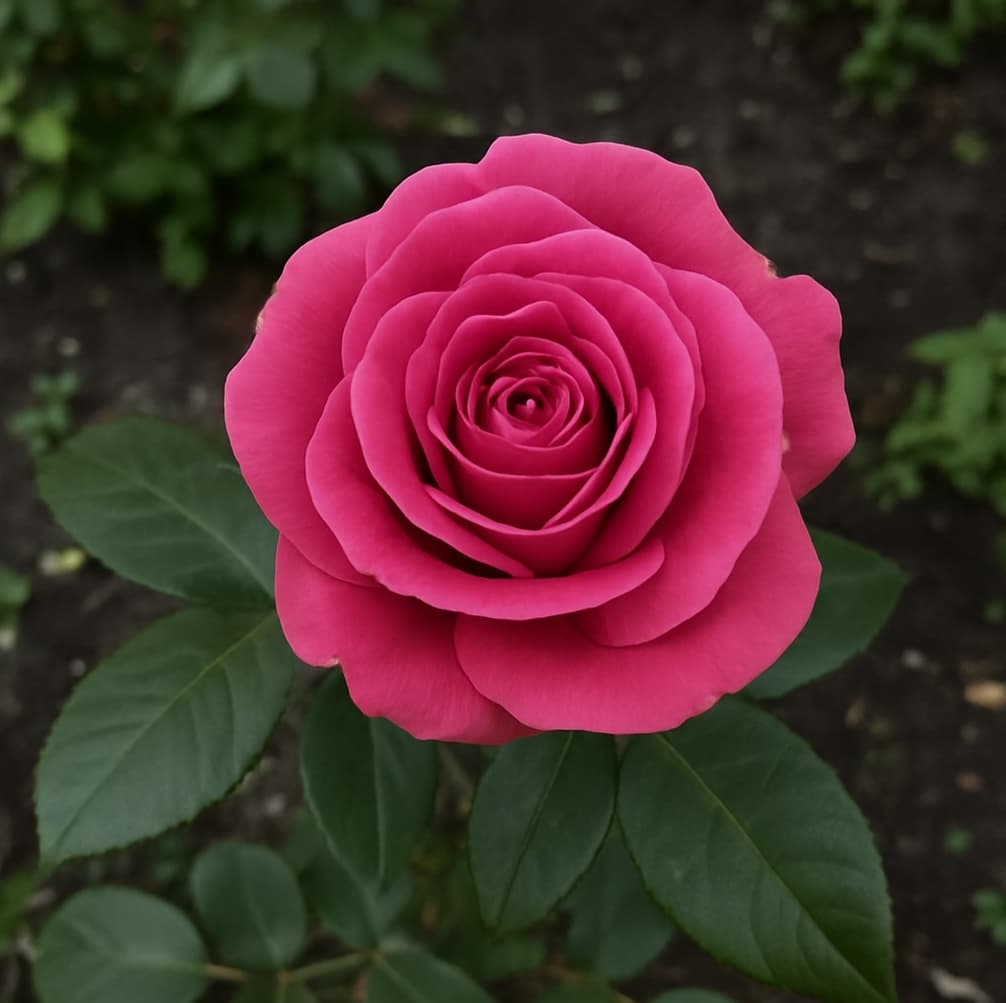
The rose (Rosa) is the primary June birth flower and arguably the most celebrated flower in human history. Often called the "queen of flowers," roses have been cultivated for over 5,000 years. With over 300 species and tens of thousands of cultivars, they come in nearly every color except true blue, and each shade carries its own message in the language of flowers.
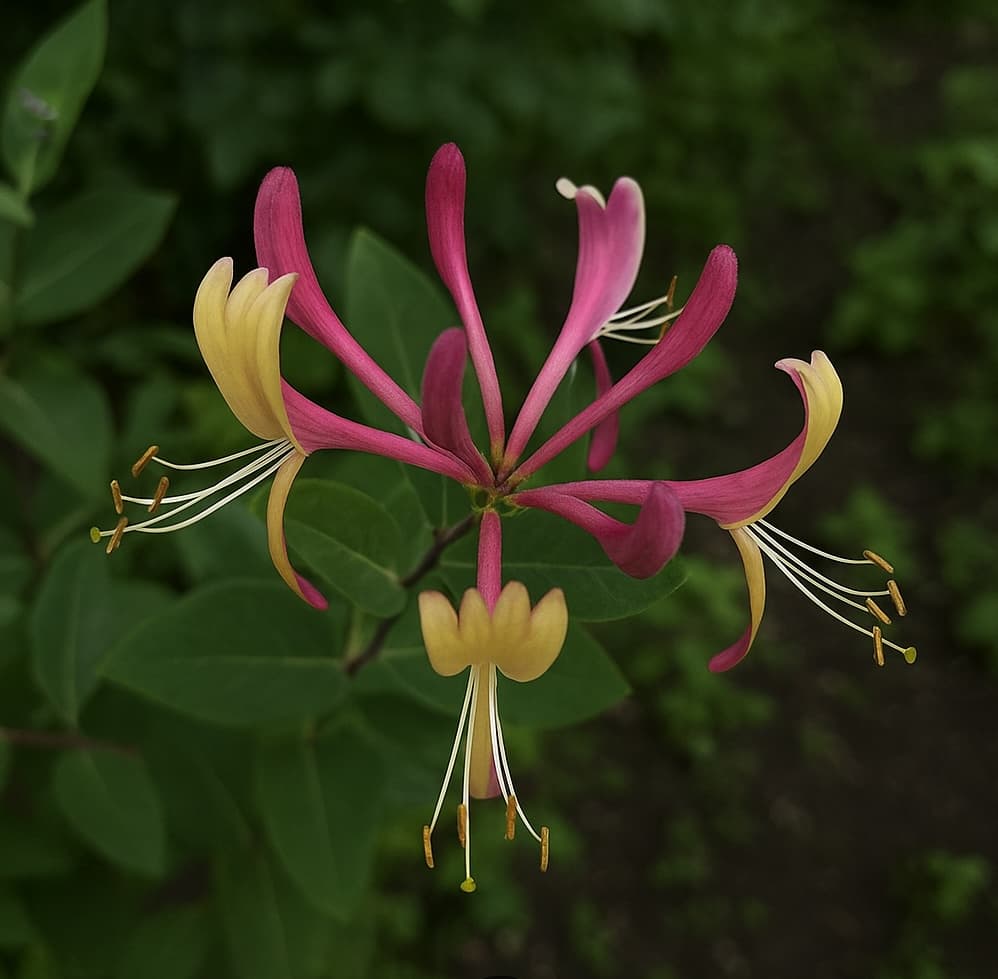
The honeysuckle (Lonicera) is June's secondary birth flower. This sweetly scented climbing vine produces tubular flowers brimming with nectar, so abundant that children have sipped it straight from the blossoms for generations. Its twining growth habit, wrapping tightly around anything it touches, made it a natural symbol of devoted, inseparable love.
Rose: Meaning & Color Symbolism
No flower speaks the language of color more fluently than the rose. For centuries, each hue has carried a precise message, and choosing the right shade can say more than words:
Rose Meanings by Color
Red
Passionate love, desire, and deep respect
Pink
Gratitude, admiration, and gentle affection
White
Purity, innocence, and new beginnings
Yellow
Friendship, joy, and caring
Orange
Enthusiasm, passion, and excitement
Lavender / Purple
Enchantment, mystery, and love at first sight
Cultural Significance
In ancient Rome, roses were sacred to Venus, goddess of love, and petals were scattered at banquets and celebrations. In Christian art, the rose became associated with the Virgin Mary, often depicted in "rose windows" of Gothic cathedrals. The rosary itself takes its name from the flower.
Roses have shaped world history: the Wars of the Roses in 15th-century England pitted the red rose of Lancaster against the white rose of York, and the flower later became the national emblem of England, the United States, and Iran. Today, over 150 million rose stems are sold in the U.S. each Valentine's Day alone.
Honeysuckle: Meaning & Symbolism
The honeysuckle symbolizes devoted affection, the bonds of love, and generosity. Its clinging, intertwining growth habit, wrapping itself around trees, fences, and anything within reach, made it a natural metaphor for lovers who cannot be separated.
In Celtic folklore, honeysuckle was considered a powerful protective plant. Druids wove it into doorway garlands to ward off evil spirits and illness, and it was believed to grant the ability to see into the fairy realm. Its sweet, heady fragrance, which intensifies at dusk to attract moth pollinators, added to its mystical reputation.
In Chinese medicine, honeysuckle (known as "jin yin hua" or "gold-silver flower") has been used for over 3,000 years to clear heat and treat infections. Modern research has confirmed that honeysuckle extracts contain antiviral and anti-inflammatory compounds, lending scientific support to centuries of traditional use.
History of June's Birth Flowers
Rose History
Roses have been cultivated for over 5,000 years, with the earliest known gardens in China. Fossil evidence shows wild roses grew 35 million years ago. Ancient Persians, Greeks, and Romans revered them: Cleopatra reportedly filled an entire room knee-deep in rose petals to impress Mark Antony.
Modern rose breeding exploded in the 19th century when China roses (which bloom repeatedly) were crossed with European varieties (prized for fragrance). This produced hybrid tea roses, the long-stemmed beauties we know today. The American Rose Society now recognizes over 30,000 registered cultivars.
Honeysuckle History
Honeysuckle appears in the written record as far back as ancient Greece, where it was prescribed by physicians for respiratory ailments. The name itself comes from the old English "hunigsuge," referring to the practice of sucking sweet nectar directly from the flower's base.
In medieval Europe, honeysuckle was planted near cottage doorways as a living talisman of protection and good fortune. Shakespeare referenced it in "A Midsummer Night's Dream" and "Much Ado About Nothing," cementing its place in English literary tradition as a symbol of embracing love and natural beauty.
How to Grow June's Birth Flowers
🌹 Growing Roses
- Light:Full sun: at least 6 hours of direct sunlight daily
- Soil:Rich, well-drained, slightly acidic soil (pH 6.0–6.5)
- Water:Deep watering at the base 2–3 times per week; avoid wetting foliage
- Zones:USDA zones 5–9 (varies by variety)
- Bloom:Late spring through fall for repeat-blooming varieties
- Tip:Prune in late winter before new growth; deadhead spent blooms to encourage more flowers throughout the season
🌸 Growing Honeysuckle
- Light:Full sun to partial shade (more sun means more flowers)
- Soil:Adaptable to most soils; prefers moist but well-drained conditions
- Water:Regular watering for the first year; drought-tolerant once established
- Zones:USDA zones 4–9 (varies by species)
- Bloom:Late spring through summer, with some varieties reblooming until frost
- Tip:Provide a trellis, arbor, or fence for climbing varieties; prune after flowering to prevent aggressive spread
Popular Varieties
Hybrid Tea Rose
Rosa hybrid
The classic long-stemmed rose with elegant, high-centered blooms, the standard of the floral industry and a perennial Valentine's Day favorite.
Damask Rose
Rosa damascena
An ancient variety prized for its intense fragrance. It is the primary source of rose oil used in luxury perfumes and has been cultivated since antiquity.
David Austin English Rose
Rosa 'English Rose'
Modern shrub roses bred for old-fashioned, cupped blooms combined with repeat flowering and disease resistance.
European Honeysuckle
Lonicera periclymenum
Also called woodbine, this climbing vine produces fragrant flowers that open white or pink and mature to golden yellow. A cottage garden classic.
Japanese Honeysuckle
L. japonica
Intensely fragrant white flowers that age to yellow. A vigorous grower that can become invasive in warm climates, so plant it with containment in mind.
Trumpet Honeysuckle
L. sempervirens
A well-behaved North American native with coral-red tubular flowers that are magnets for hummingbirds. Less fragrant but non-invasive.
Interesting Facts
Liquid Gold
It takes approximately 60,000 roses to produce a single ounce of rose oil (attar of roses), making it one of the most expensive essential oils in the world, often more valuable per ounce than gold.
Ancient Beauty
Fossil evidence shows wild roses grew on Earth 35 million years ago. Humans have cultivated them for at least 5,000 years, making the rose one of the oldest ornamental plants in history.
Edible Delights
Rose petals are edible and have been used in cuisine for centuries, from Middle Eastern rosewater desserts to rose hip tea, which contains 50 times more vitamin C than oranges by weight.
Nectar Sippers
The word "honeysuckle" comes from the old English "hunigsuge," describing the tradition of sucking sweet nectar from the base of the flower, a childhood ritual that continues to this day.
Medicinal Powerhouse
Honeysuckle has been used in traditional Chinese medicine for over 3,000 years. Modern research has identified antiviral compounds in its extracts, supporting its historical use against infections.
Night Perfumer
Honeysuckle fragrance intensifies dramatically at dusk to attract nocturnal moth pollinators. The scent can be detected from over 30 feet away on a still summer evening.
How to Use June's Birth Flowers
Birthday Bouquets
Red roses say love, pink say thank you, yellow say friendship. For a uniquely June arrangement, pair garden roses with trailing honeysuckle for fragrance and texture.
Weddings & Romance
June is the most popular wedding month, and roses are the quintessential bridal flower. Use them in bouquets, centerpieces, and boutonnieres. Add honeysuckle to arbors and arches for a sweet-scented ceremony backdrop.
Tattoo Inspiration
Rose tattoos are among the most popular floral designs worldwide. A single rose can symbolize love, while thorns represent the idea that beauty comes with pain. Honeysuckle vines make elegant, flowing tattoo art.
Home & Culinary
Dry rose petals for potpourri or use rosewater in baking. Grow climbing honeysuckle on a trellis by a patio for evening fragrance, or make honeysuckle syrup to drizzle over summer desserts.
June Birth Flowers by Date
Rose and honeysuckle are the birth flowers for the whole of June. Only the zodiac sign varies by date:
June birth flowers for every date
| Date | Zodiac Sign | Birth Flowers |
|---|---|---|
| June 1st | Gemini | Rose & Honeysuckle |
| June 2nd | Gemini | Rose & Honeysuckle |
| June 3rd | Gemini | Rose & Honeysuckle |
| June 4th | Gemini | Rose & Honeysuckle |
| June 5th | Gemini | Rose & Honeysuckle |
| June 6th | Gemini | Rose & Honeysuckle |
| June 7th | Gemini | Rose & Honeysuckle |
| June 8th | Gemini | Rose & Honeysuckle |
| June 9th | Gemini | Rose & Honeysuckle |
| June 10th | Gemini | Rose & Honeysuckle |
| June 11th | Gemini | Rose & Honeysuckle |
| June 12th | Gemini | Rose & Honeysuckle |
| June 13th | Gemini | Rose & Honeysuckle |
| June 14th | Gemini | Rose & Honeysuckle |
| June 15th | Gemini | Rose & Honeysuckle |
| June 16th | Gemini | Rose & Honeysuckle |
| June 17th | Gemini | Rose & Honeysuckle |
| June 18th | Gemini | Rose & Honeysuckle |
| June 19th | Gemini | Rose & Honeysuckle |
| June 20th | Gemini | Rose & Honeysuckle |
| June 21st | Cancer | Rose & Honeysuckle |
| June 22nd | Cancer | Rose & Honeysuckle |
| June 23rd | Cancer | Rose & Honeysuckle |
| June 24th | Cancer | Rose & Honeysuckle |
| June 25th | Cancer | Rose & Honeysuckle |
| June 26th | Cancer | Rose & Honeysuckle |
| June 27th | Cancer | Rose & Honeysuckle |
| June 28th | Cancer | Rose & Honeysuckle |
| June 29th | Cancer | Rose & Honeysuckle |
| June 30th | Cancer | Rose & Honeysuckle |
June Birth Flower & Birthstone Connection
The rose's connection to love and beauty mirrors the pearl's associations with purity, emotional balance, and the heart's deepest feelings.
Just as alexandrite shifts color from green to red in different light, roses display an extraordinary spectrum of colors, each carrying a unique meaning in the language of flowers.
Honeysuckle's symbolism of devoted love and lasting bonds complements the pearl's status as a traditional wedding gem, making both perfect for June celebrations.
Both June's flowers and stones have been treasured across civilizations for thousands of years: roses and pearls alike graced the courts of ancient Rome, Persia, and China.