January Birth FlowersCarnation & Snowdrop
Updated June 2026
Love, fascination, hope, and the promise of spring
Quick answer: The birth flowers for January are the Carnation and the Snowdrop.
Carnations symbolize love and fascination, while snowdrops represent hope and rebirth, making them a perfect pair for the start of a new year.
What Are January's Birth Flowers?
January has two birth flowers: the carnation and the snowdrop. Together, they capture the spirit of the month: the carnation's warmth and devotion paired with the snowdrop's quiet promise that winter will end.
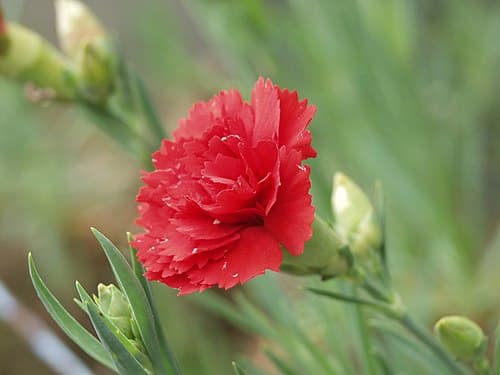
The carnation (Dianthus caryophyllus) is the primary January birth flower. Its name may derive from "coronation" (it was woven into Greek ceremonial crowns), and its scientific name Dianthus translates to "flower of the gods." Carnations are long-lasting, come in a spectacular range of colors, and carry a spicy, clove-like fragrance.
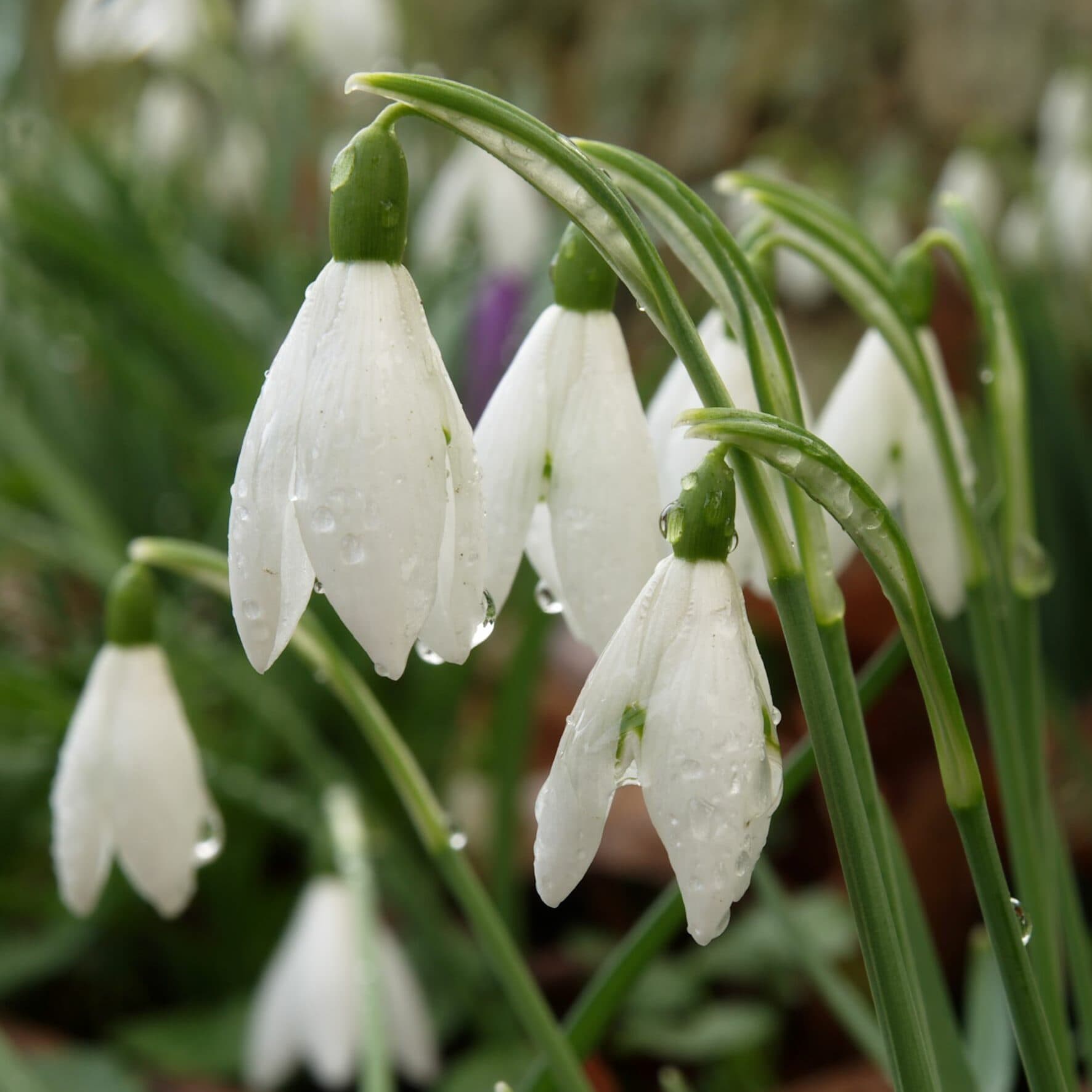
The snowdrop (Galanthus) is January's secondary birth flower. One of the earliest bloomers, it pushes through frozen ground to signal that spring is on its way. Despite its delicate appearance, the snowdrop produces compounds that help it melt through snow.
Carnation: Meaning & Color Symbolism
Carnations are one of the most symbolically rich flowers in the world. Their meaning shifts dramatically based on color, making your choice of shade a powerful message in the language of flowers:
Carnation Meanings by Color
Red
Deep love, admiration, and affection
Light Red / Pink
Gratitude and a mother's undying love
White
Pure love, innocence, and good luck
Yellow
Disappointment or rejection (use carefully)
Purple
Capriciousness and unpredictability
Striped
Regret that a love cannot be shared
Cultural Significance
In Christian tradition, carnations are said to have first appeared from the tears of the Virgin Mary as she watched Jesus carry the cross, explaining why pink carnations symbolize a mother's undying love.
Carnations are the official flower of Mother's Day in many countries. In Korea, red and pink carnations express gratitude to parents on Parents' Day. In parts of Europe, they remain traditional funeral flowers representing remembrance.
Snowdrop: Meaning & Symbolism
The snowdrop symbolizes hope, rebirth, and consolation. As one of the first flowers to bloom in late winter, sometimes pushing through a blanket of snow, it carries a powerful message: no matter how long and dark the winter, spring will return.
According to Christian legend, when Adam and Eve were expelled from the Garden of Eden, an angel transformed falling snowflakes into snowdrop flowers to show them that winter would eventually give way to spring.
In Victorian England, snowdrops carried a more cautionary note: bringing them indoors was considered bad luck, as they were associated with death and were often planted on graves. Today, this superstition has largely faded, and snowdrops are celebrated as cheerful harbingers of the new season.
History of January's Birth Flowers
Carnation History
Carnations have been cultivated for over 2,000 years. Ancient Greeks and Romans wove them into ceremonial garlands, and the flower appears in Renaissance paintings as a symbol of betrothal.
The modern carnation industry began in the 19th century when French horticulturists developed larger, longer-lasting varieties. Today carnations are among the world's most commercially grown flowers, with Colombia and Kenya as top producers.
Snowdrop History
Snowdrops have been known since ancient times across Europe and Western Asia. Monks planted them in monastery gardens as a symbol of Candlemas (February 2), earning them the folk name "Candlemas Bells."
In the 19th century, "galanthophilia," or snowdrop collecting, became a passion among British gardeners. Rare cultivars still command high prices at specialist auctions, with single bulbs occasionally selling for hundreds of pounds.
How to Grow January's Birth Flowers
🌸 Growing Carnations
- Light:Full sun to partial shade (6+ hours of sun ideal)
- Soil:Well-drained, slightly alkaline soil
- Water:Moderate: let soil dry slightly between waterings
- Zones:USDA zones 5–9
- Bloom:Late spring through fall with regular deadheading
- Tip:Pinch young plants to encourage bushier growth and more blooms
❄️ Growing Snowdrops
- Light:Partial shade (under deciduous trees is ideal)
- Soil:Moist, humus-rich soil that drains well
- Water:Keep moist during growing season; dry-tolerant when dormant
- Zones:USDA zones 3–8
- Bloom:January to March, among the earliest spring flowers
- Tip:Plant "in the green" (while still in leaf) for best establishment
Popular Varieties
Standard Carnation
D. caryophyllus
Large, showy double blooms on strong stems: the classic florist's carnation.
Chabaud Carnation
D. 'Chabaud'
Early-flowering with a strong clove scent, excellent for cutting gardens.
Grenadin Carnation
D. 'Grenadin'
Compact and hardy with spicy fragrance in red, pink, and white.
Common Snowdrop
Galanthus nivalis
The most widely grown species with small, nodding white flowers.
Giant Snowdrop
G. elwesii
Larger flowers and broader leaves, slightly earlier blooming.
Pleated Snowdrop
G. plicatus
Distinguished by folded leaves and broader petals with green markings.
Interesting Facts
Flower of the Gods
The scientific name Dianthus comes from Greek "dios" (god) + "anthos" (flower), literally "divine flower."
Edible Blooms
Carnation petals are edible and have flavored beer, wine, and the liqueur Chartreuse for centuries. They're also used in salads and as cake decorations.
Medical Marvel
Snowdrops contain galantamine, a compound now used to treat Alzheimer's disease by improving memory and reducing confusion.
Snow Melters
Snowdrops produce natural chemicals that generate heat, allowing them to literally melt through snow to bloom.
2,000+ Years
Carnations are one of the oldest cultivated flowers in the world, with a documented history spanning more than two millennia.
Language of Color
In the Victorian "language of flowers," every carnation color carried a specific coded message: red for love, white for luck, striped for refusal.
How to Use January's Birth Flowers
Birthday Bouquets
Pair red carnations with snowdrops for a meaningful January birthday arrangement that symbolizes love and hope.
Home & Garden
Plant snowdrop bulbs along garden paths for late-winter cheer. Grow carnations in containers or borders for months of bloom.
Tattoo Inspiration
January birth flower tattoos are popular: the carnation's ruffled petals and snowdrop's delicate bell shape make beautiful designs.
Special Occasions
Pink carnations for Mother's Day, white for weddings, red for anniversaries, and snowdrops for sympathy and consolation.
January Birth Flowers by Date
Carnation and snowdrop belong to every January birthday. Your birth flower never changes with the date, but your zodiac sign does:
January birth flowers for every date
| Date | Zodiac Sign | Birth Flowers |
|---|---|---|
| January 1st | Capricorn | Carnation & Snowdrop |
| January 2nd | Capricorn | Carnation & Snowdrop |
| January 3rd | Capricorn | Carnation & Snowdrop |
| January 4th | Capricorn | Carnation & Snowdrop |
| January 5th | Capricorn | Carnation & Snowdrop |
| January 6th | Capricorn | Carnation & Snowdrop |
| January 7th | Capricorn | Carnation & Snowdrop |
| January 8th | Capricorn | Carnation & Snowdrop |
| January 9th | Capricorn | Carnation & Snowdrop |
| January 10th | Capricorn | Carnation & Snowdrop |
| January 11th | Capricorn | Carnation & Snowdrop |
| January 12th | Capricorn | Carnation & Snowdrop |
| January 13th | Capricorn | Carnation & Snowdrop |
| January 14th | Capricorn | Carnation & Snowdrop |
| January 15th | Capricorn | Carnation & Snowdrop |
| January 16th | Capricorn | Carnation & Snowdrop |
| January 17th | Capricorn | Carnation & Snowdrop |
| January 18th | Capricorn | Carnation & Snowdrop |
| January 19th | Capricorn | Carnation & Snowdrop |
| January 20th | Aquarius | Carnation & Snowdrop |
| January 21st | Aquarius | Carnation & Snowdrop |
| January 22nd | Aquarius | Carnation & Snowdrop |
| January 23rd | Aquarius | Carnation & Snowdrop |
| January 24th | Aquarius | Carnation & Snowdrop |
| January 25th | Aquarius | Carnation & Snowdrop |
| January 26th | Aquarius | Carnation & Snowdrop |
| January 27th | Aquarius | Carnation & Snowdrop |
| January 28th | Aquarius | Carnation & Snowdrop |
| January 29th | Aquarius | Carnation & Snowdrop |
| January 30th | Aquarius | Carnation & Snowdrop |
| January 31st | Aquarius | Carnation & Snowdrop |
January Birth Flower & Birthstone Connection
Both the red carnation and garnet share deep red hues that symbolize passionate love and devotion.
The snowdrop's theme of hope and new beginnings mirrors garnet's association with vitality and regeneration.
Both flowers and the garnet have been valued across cultures for centuries, carrying ancient traditions into the modern day.
Carnations have been used for protection and healing, echoing garnet's reputation as a protective talisman.