January BirthstoneGarnet
By My Birthstone Editorial TeamUpdated September 2026
The birthstone of protection, passion, and vitality. Worn for over 5,000 years.
Quick answer
The birthstone for January is Garnet.
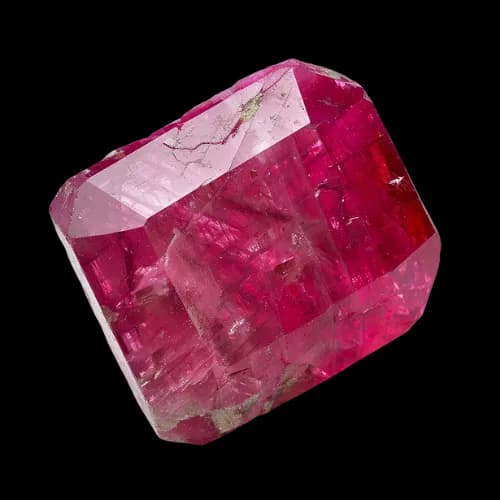
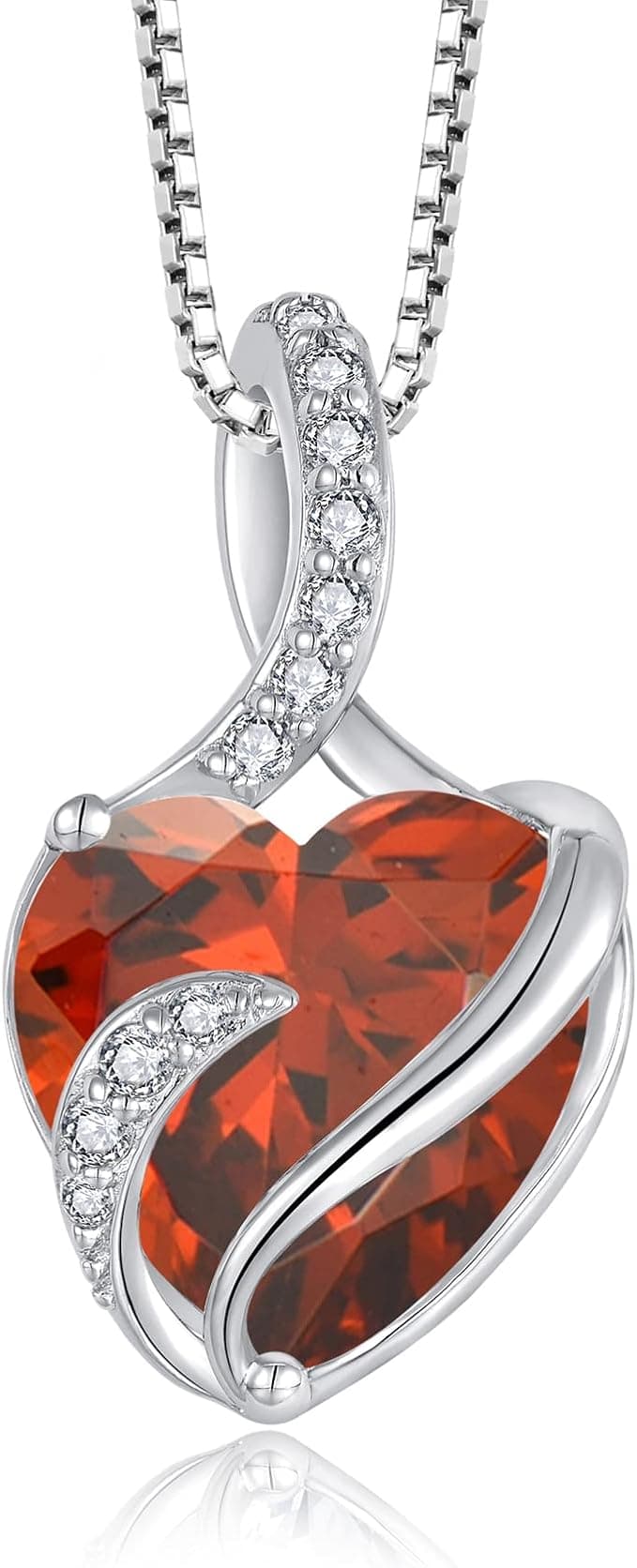
Garnet is both the modern and traditional birthstone for January, celebrated for its deep red color, durability, and long-held reputation as a protective talisman.
- Birthstone
- Garnet
- Color
- Deep Red (also green, orange, purple)
- Hardness
- 6.5–7.5 Mohs
- Meaning
- Protection, Passion, Vitality
- Zodiac
- Capricorn & Aquarius
- Birth Flower
- Carnation & Snowdrop
- Anniversary
- 2nd Wedding Anniversary
What Is the Birthstone for January?
The January birthstone is garnet. People have worn it for over 5,000 years, and while most picture a deep red stone, garnets actually come in nearly every color except blue. Almandine and pyrope cover the classic reds, spessartite handles orange, and tsavorite goes a vivid green.
The name "garnet" comes from the Latin granatum, meaning "pomegranate seed," a nod to the gemstone's resemblance to the jewel-toned seeds of the fruit. Ancient Egyptians used garnets as inlays in jewelry and carvings, while Roman signet rings featured garnets for stamping wax seals on important documents.
Today garnet remains one of the most versatile and affordable birthstones, making it a popular choice for meaningful January birthday gifts and everyday jewelry.
Garnet Meaning & Symbolism
Across cultures, garnet has long carried meanings that suit those born in January.
Protection
Ancient warriors set garnets into shields and armor. It remains a talisman for travelers and anyone facing challenges.
Passion & Energy
Garnet's warm glow is linked to vitality, courage, and creative drive.
Friendship & Trust
Known as the "stone of commitment," garnet is associated with loyalty and lasting bonds, which makes it a thoughtful gift between friends.
Prosperity
Called the "merchant's stone," garnet is thought to attract success in business and career.
Truth & Honesty
Garnet is said to encourage self-awareness and honest communication.
Healing & Vitality
Garnet is believed to boost circulation, support the immune system, and lift physical energy.
Garnet Colors & Varieties
The garnet family covers a wider color range than most people realise. Here are the main varieties:
Deep Red to Purple
Almandine
The most common variety. Classic deep red garnets found in jewelry worldwide.
Blood Red
Pyrope
Fiery and transparent, with a pure red that holds its own against fine rubies.
Orange to Red-Orange
Spessartite
The "Mandarin garnet," known for its bright, warm color.
Vibrant Green
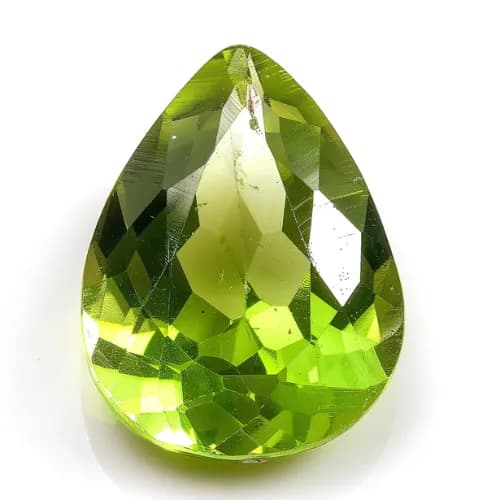
Tsavorite
Discovered in 1967. Rarer than many emeralds and often brighter.
Emerald Green
Demantoid
The "king of garnets." Has more fire than diamond.
Green to Red Shift
Color-Change
One of the rarest gems on Earth. Shifts color depending on the lighting.
Why Is Garnet the January Birthstone?
The link between garnet and January goes back thousands of years. January's cold, dark days called for a stone of warmth and protection, and garnet's red glow was believed to light the way through winter and guard against evil.
The modern birthstone list was standardized in 1912 by the American National Retail Jewelers Association (now Jewelers of America), which formalized garnet as the January birthstone. By that point the stone had already appeared on birthstone lists tracing back to biblical times and the Breastplate of Aaron.
Garnet also connects to both January zodiac signs: Capricorn values its grounding ambition, while Aquarius appreciates its link to humanitarian ideals and community bonds.
The History of Garnet
Garnet's history spans at least 5,000 years. Ancient Egyptian pharaohs wore garnet necklaces and were entombed with garnet jewelry for the afterlife. In Rome, garnet signet rings were used to stamp the wax that sealed important documents.
During the Middle Ages, the red gemstone was favored by clergy and nobility. It was one of the most traded gems along the Silk Road, carried by merchants across continents. Warriors from ancient Asia to the American Southwest believed garnet bullets would inflict more deadly wounds than lead.
The Victorian era brought a garnet renaissance. Bohemian garnet jewelry from the Czech Republic became the height of fashion, with tightly set clusters of small, deep-red pyrope garnets adorning brooches, necklaces, and earrings that remain collectible today.
According to Jewish tradition, a garnet lantern illuminated Noah's Ark through the great flood. In Hindu astrology, garnet is associated with the root chakra and is believed to anchor and stabilize the body's energy.
Garnet Properties
⚗️Physical Properties
- Mineral
- Garnet group (multiple species)
- Hardness
- 6.5-7.5 on Mohs scale
- Crystal System
- Cubic
- Refractive Index
- 1.72-1.94
- Chemistry
- X₃Y₂(SiO₄)₃
- Color Range
- Primarily red, but also green, orange, yellow, purple, brown
🌍Where Garnet Is Found
Garnet is mined across the globe, with each region producing stones of distinct character:
How to Care for Garnet Jewelry
Garnet is durable enough for everyday wear, but a little care goes a long way to keep it brilliant:
Clean garnet jewelry with mild soap and warm water using a soft brush.
Avoid prolonged exposure to strong sunlight, which can fade some garnet varieties over time.
Remove garnet jewelry before engaging in rough activities or household chores to prevent scratches.
Store garnet pieces separately from other jewelry to prevent scratching.
How Much Does Garnet Cost?
Garnet's price depends heavily on which variety you choose. Common red garnets are some of the most affordable birthstones on the market, while rare green varieties like tsavorite and demantoid command prices closer to fine sapphire or ruby.
| Quality Tier | Typical Price Per Carat | What You Get |
|---|---|---|
| Common red garnet (almandine, pyrope) | $5 – $50/ct | Well-cut, eye-clean red stones used in most mainstream garnet jewelry |
| Rare tsavorite & demantoid garnet | $500 – $3,000+/ct | Vivid green varieties valued for their rarity and brilliance |
| Setting & retail markup | Adds to the price above | Metal, mounting, and brand markup on top of the loose stone price |
Indicative 2026 retail prices for loose stones; settings and brand add to the total.
How to Choose Garnet Jewelry
When shopping for garnet jewelry, look for stones with rich, saturated color and good transparency. Red garnets offer the best value, while green tsavorite and demantoid command premium prices for their rarity and brilliance.
- 1. Color first: The most important factor. Deep, vivid hues with minimal brown tint are most desirable.
- 2. Clarity: Look for eye-clean stones. Inclusions are fine if you only see them under magnification.
- 3. Cut: Well-cut garnets show maximum brilliance. Round, oval, and cushion cuts are popular.
- 4. Setting: Bezel or protective prong settings are best for rings worn daily.
Facts About Garnet
While most people think of garnets as red gemstones, they actually come in almost every color except blue. There are rare blue garnets, but they're extremely uncommon.
In ancient Asia and the American Southwest, red garnets were used as bullets for slings and later for firearms because they were believed to inflict more deadly wounds than regular metal balls.
According to Jewish tradition, Noah used a garnet lantern to help navigate the Ark through the darkness of the flood.
Beyond jewelry, garnets are used as abrasives in industries ranging from woodworking to water filtration due to their hardness and durability.
January Birthstone by Date
Whichever day in January you were born, garnet is your birthstone. Here's how each part of the month connects to it:
January 1–10
Capricorn
Early January births lean into garnet's grounding, leadership, and new-year drive.
January 11–20
Capricorn
Mid-January connects to garnet's themes of perseverance, discipline, and inner strength.
January 21–31
Aquarius
Late January births tap into garnet's humanitarian and creative side.
January birthstone for every date
| Date | Zodiac Sign | Birthstone |
|---|---|---|
| January 1st | Capricorn | Garnet |
| January 2nd | Capricorn | Garnet |
| January 3rd | Capricorn | Garnet |
| January 4th | Capricorn | Garnet |
| January 5th | Capricorn | Garnet |
| January 6th | Capricorn | Garnet |
| January 7th | Capricorn | Garnet |
| January 8th | Capricorn | Garnet |
| January 9th | Capricorn | Garnet |
| January 10th | Capricorn | Garnet |
| January 11th | Capricorn | Garnet |
| January 12th | Capricorn | Garnet |
| January 13th | Capricorn | Garnet |
| January 14th | Capricorn | Garnet |
| January 15th | Capricorn | Garnet |
| January 16th | Capricorn | Garnet |
| January 17th | Capricorn | Garnet |
| January 18th | Capricorn | Garnet |
| January 19th | Capricorn | Garnet |
| January 20th | Aquarius | Garnet |
| January 21st | Aquarius | Garnet |
| January 22nd | Aquarius | Garnet |
| January 23rd | Aquarius | Garnet |
| January 24th | Aquarius | Garnet |
| January 25th | Aquarius | Garnet |
| January 26th | Aquarius | Garnet |
| January 27th | Aquarius | Garnet |
| January 28th | Aquarius | Garnet |
| January 29th | Aquarius | Garnet |
| January 30th | Aquarius | Garnet |
| January 31st | Aquarius | Garnet |
January Birth Flower: Carnation & Snowdrop
January's birth flowers (the carnation and the snowdrop) share garnet's themes of love, hope, and resilience. The deep red carnation in particular echoes garnet's red passion and devotion.
Explore January's Birth FlowersKeep Reading: January Birthstone Guides
Guide
Garnet History: January Birthstone
Explore garnet's origins, historical significance, and cultural importance throughout the ages.
Read moreGuide
Garnet Ring Buyer's Guide
Read moreGuide
Birthstone Engagement Rings Month by Month
Read moreZodiac
Capricorn Birthstone: Garnet
Read moreZodiac