The Complete ChartBirth Flowers by Month
Updated June 2026
All 24 birth month flowers, their meanings, and the stories behind them
Quick answer: Every month has a birth flower, and most months have two.
The pairings come from the Victorian language of flowers and older seasonal traditions. Find your month in the chart below, then open its full guide for meanings, history, colors, and growing tips.
What is my birth flower?
Pick your birth month to see your flower, what it means, and the birthstone that pairs with it.
Birth Flower Chart: All 12 Months
The primary flower is the one most florists and traditions agree on. The secondary flower is the common alternative, useful when the primary bloom is out of season.
| Month | Primary Flower | Secondary Flower | Meanings |
|---|---|---|---|
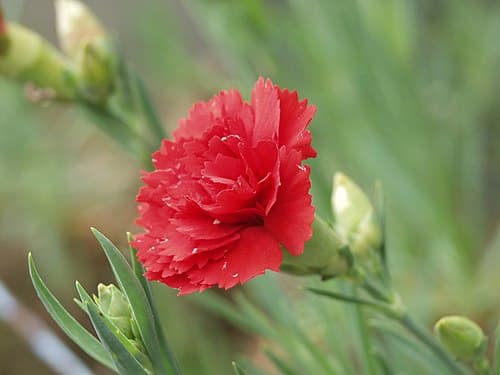
| January | Carnation | Snowdrop | Devotion, love, and distinction; hope and rebirth |
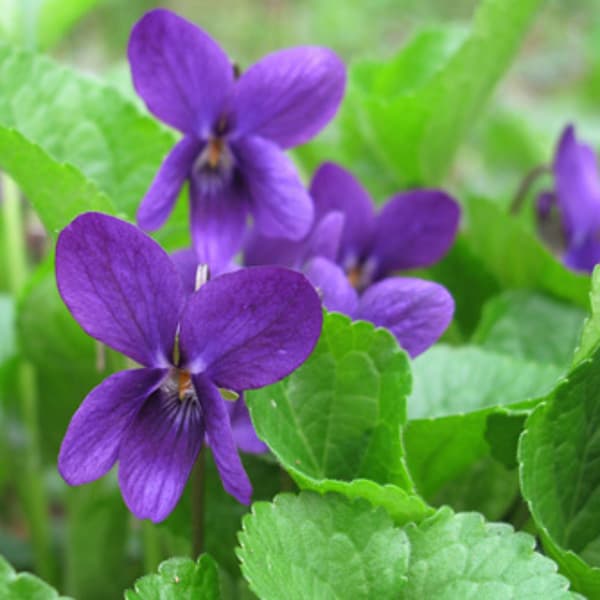
| February | Violet | Iris | Modesty, faithfulness, and loyalty; wisdom, hope, and trust |
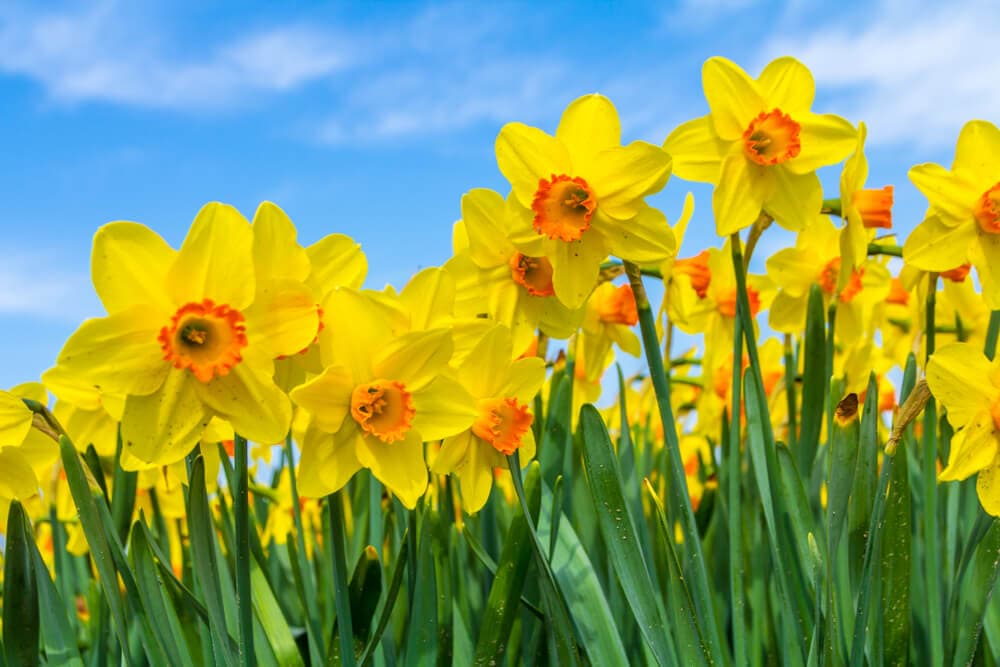
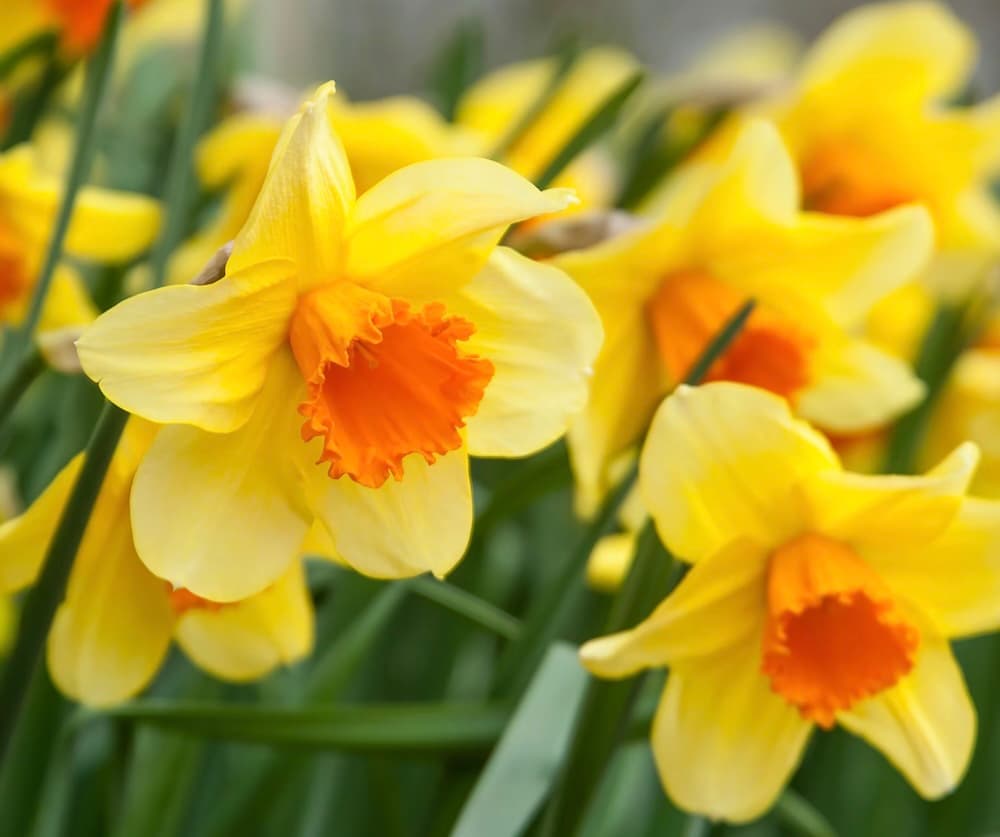
| March | Daffodil | None | New beginnings, rebirth, and joy |
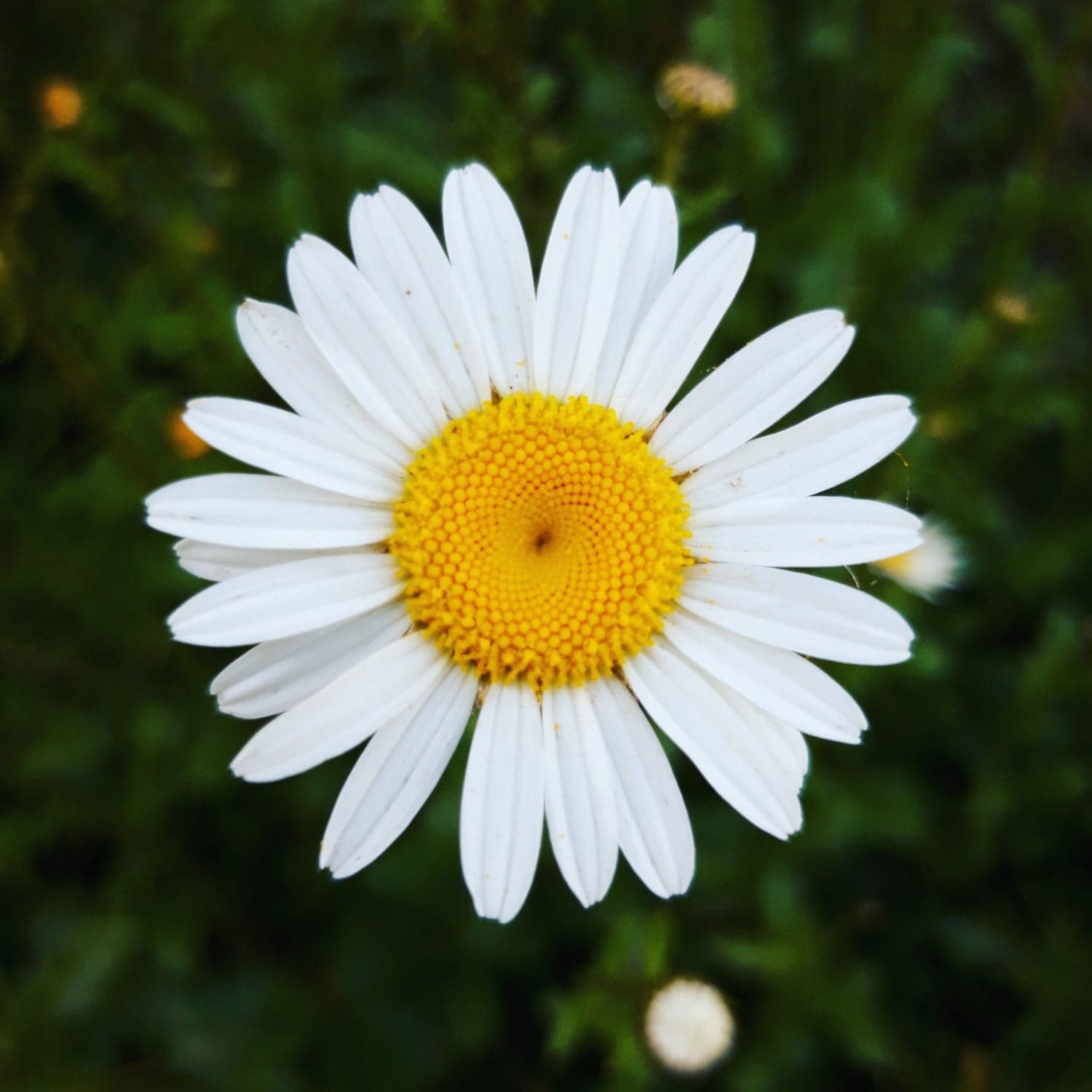
| April | Daisy | Sweet Pea | Innocence, purity, and cheerfulness; blissful pleasure and gratitude |
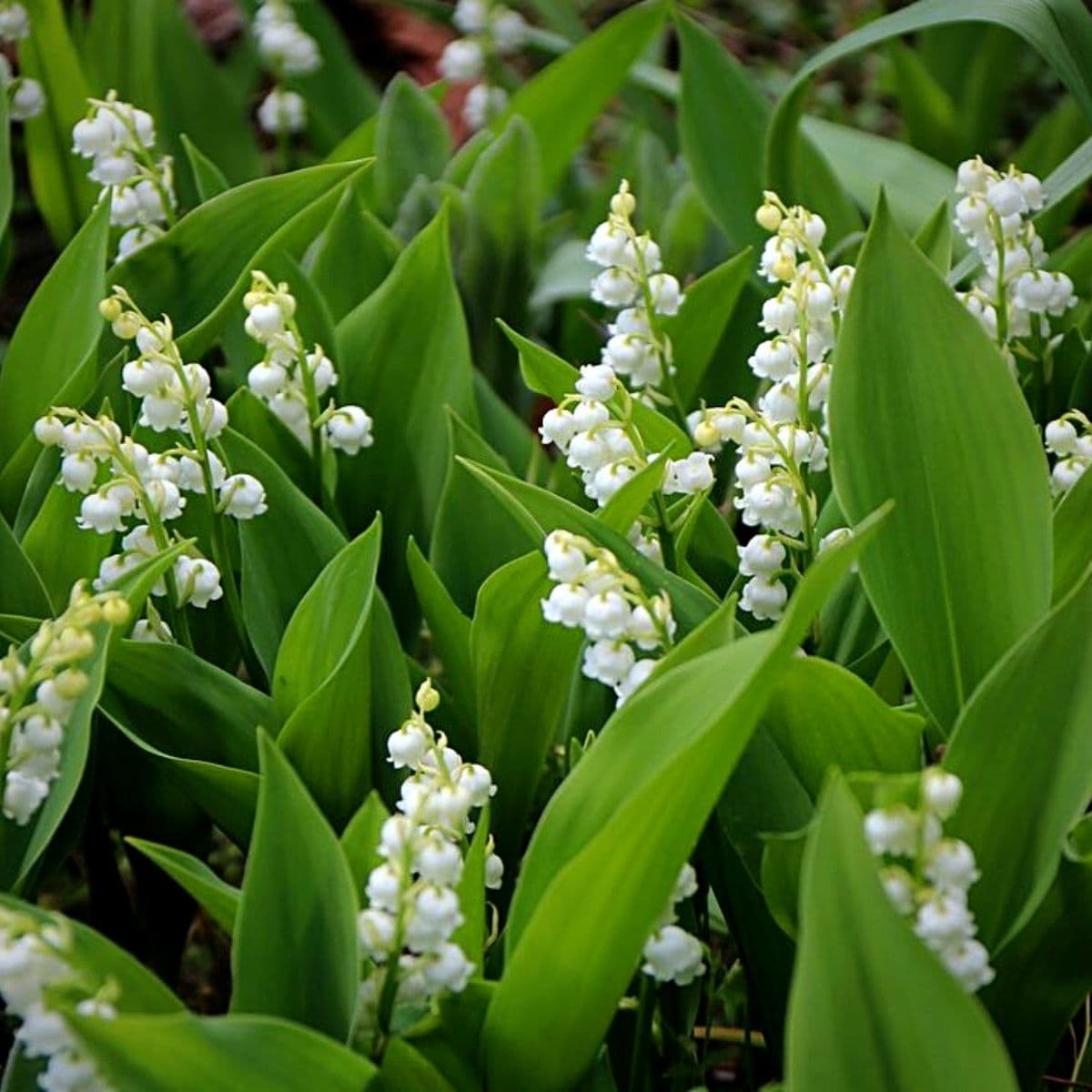
| May | Lily of the Valley | Hawthorn | Sweetness, humility, and the return of happiness; hope and supreme happiness |
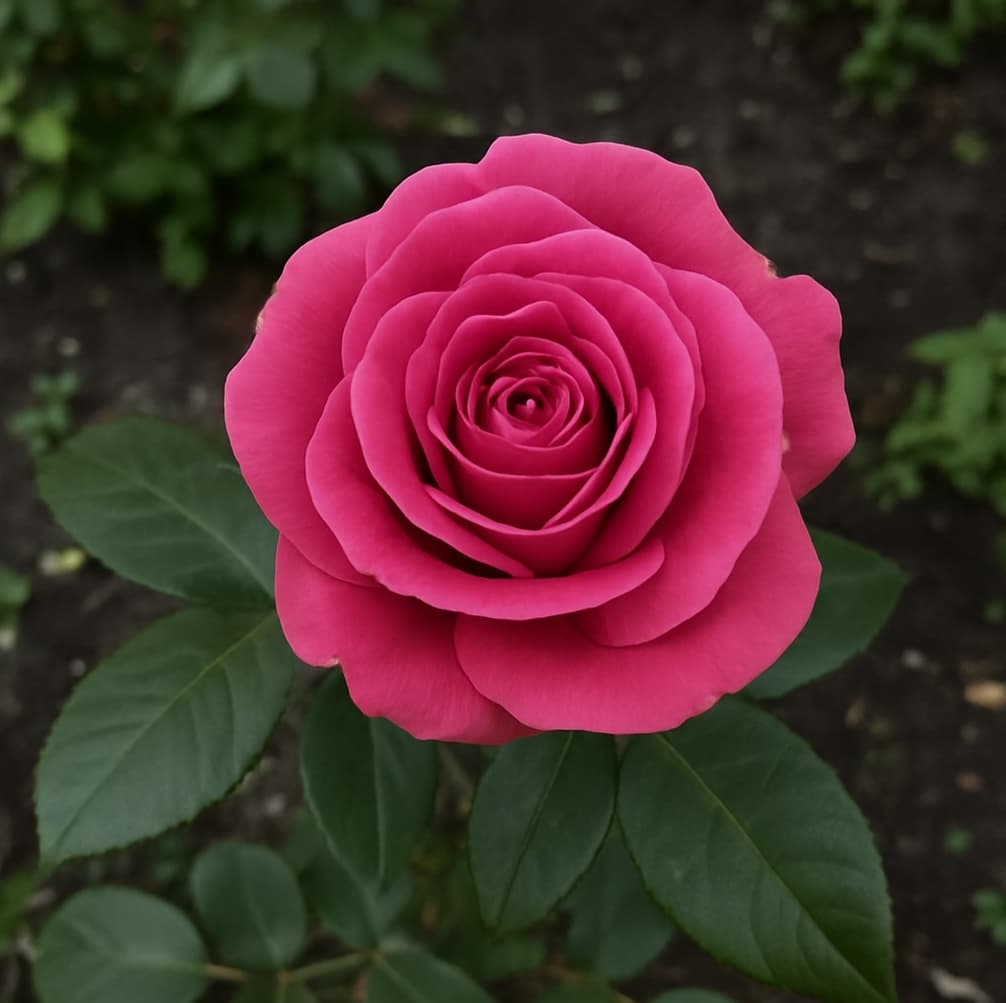
| June | Rose | Honeysuckle | Love, passion, and beauty; devoted affection and lasting bonds |
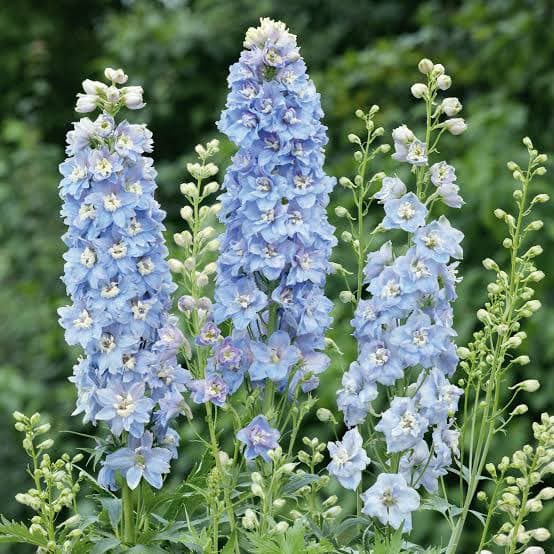
| July | Larkspur | Water Lily | An open heart and positivity; purity, enlightenment, and rebirth |
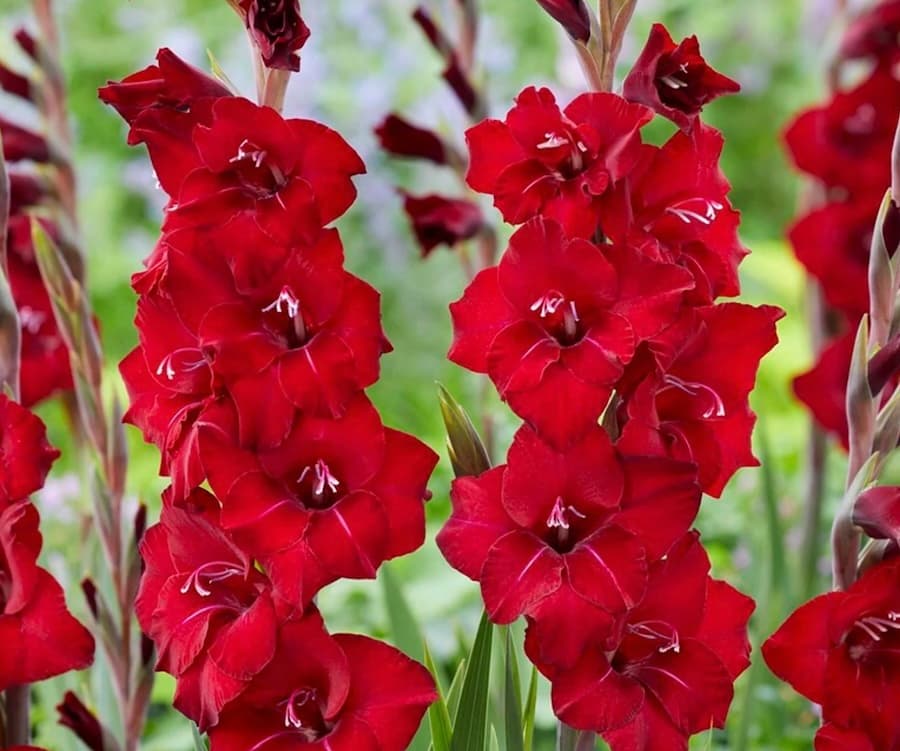
| August | Gladiolus | Poppy | Strength of character and integrity; imagination and remembrance |
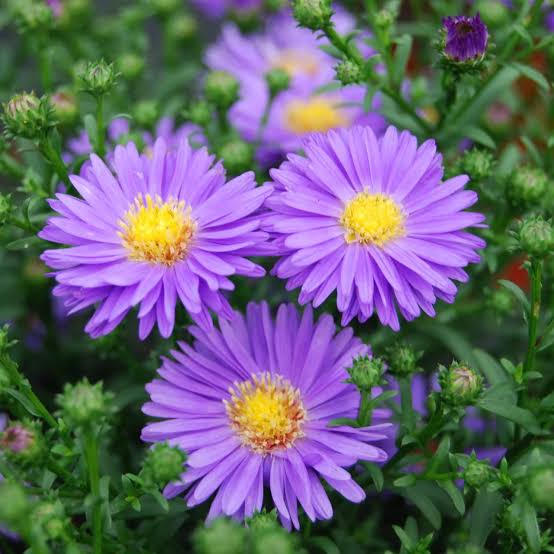
| September | Aster | Morning Glory | Wisdom, love, and faith; affection and the fleeting nature of life |
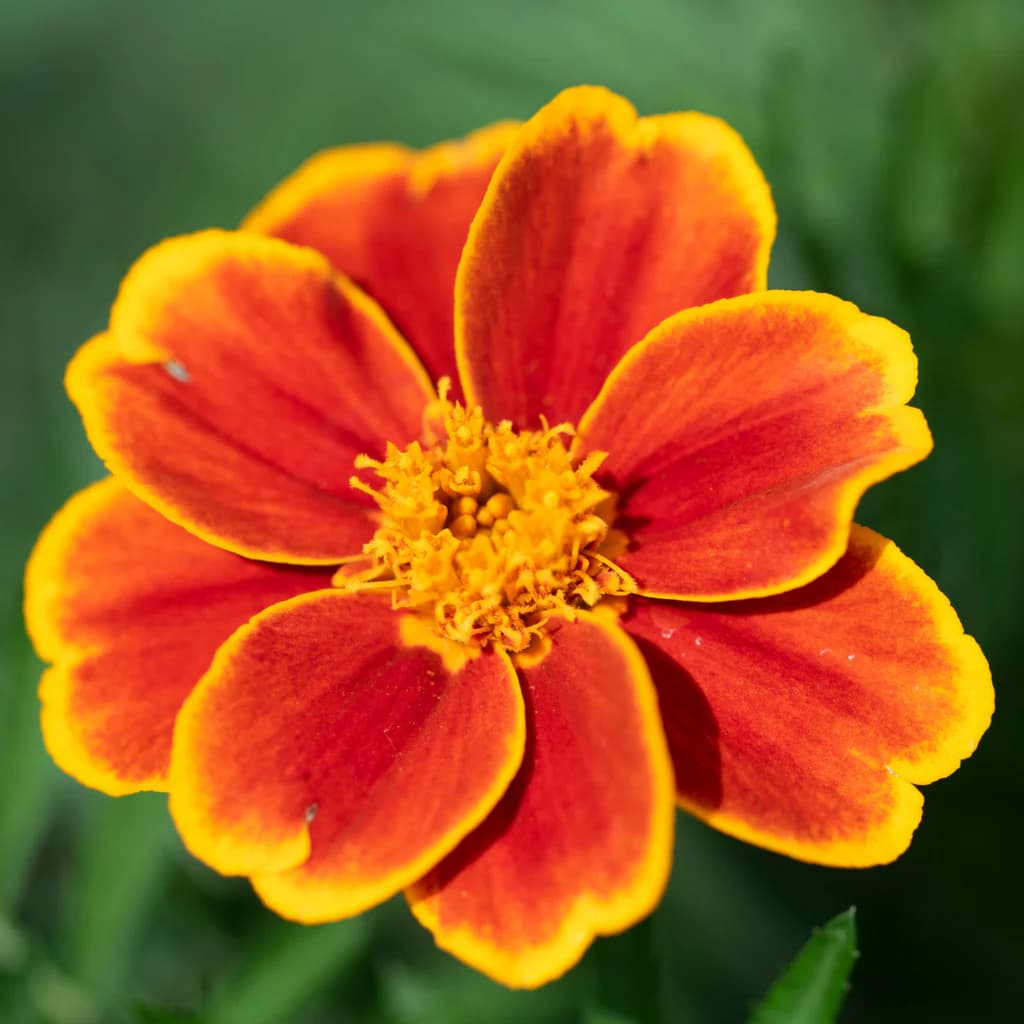
| October | Marigold | Cosmos | Warmth, passion, and creativity; harmony, order, and peace |
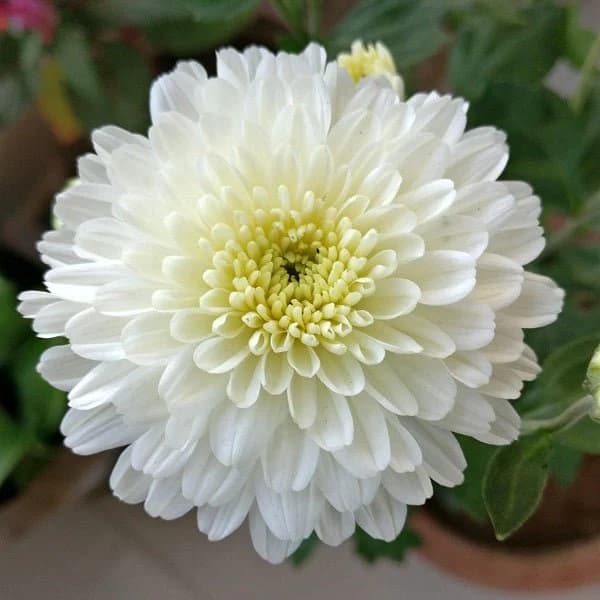
| November | Chrysanthemum | Peony | Loyalty, friendship, and honesty; honor, romance, and good fortune |
| December | Narcissus | Holly | Good wishes, hope, and renewal; protection and festive cheer |
Explore Each Month's Birth Flowers
Each guide covers the meaning, color symbolism, history, growing tips, and how the flowers pair with the month's birthstone.
Where Birth Flowers Come From
The idea of a flower for every month is much older than the greeting-card industry. Romans linked flowers to birthday celebrations and to the gods who ruled each month, and seasonal blooms have marked festivals for as long as people have grown gardens.
The list we use today took shape in the Victorian era, when floriography (the language of flowers) turned bouquets into coded messages. A flower's meaning mattered as much as its look, and the most fitting seasonal bloom became attached to each month. Early 20th century florists in America then settled the popular pairings, which is why the American and British lists agree on most months.
Unlike birthstones, which the American jewelry industry standardized in 1912, no single body ever fixed the birth flower list. That is why your month has a primary and a secondary flower, and why you will occasionally see regional swaps. The chart above reflects the most widely accepted version.
Birthstone & Birth Flower by Month
The complete month-by-month pairing in one place: your birthstone and your birth flowers side by side, the natural starting point for a birthday or anniversary gift.
| Month | Birthstone | Birth Flower(s) |
|---|---|---|
| January | Garnet | Carnation & Snowdrop |
| February | Amethyst | Violet & Iris |
| March | Aquamarine | Daffodil |
| April | Diamond | Daisy & Sweet Pea |
| May | Emerald | Lily of the Valley & Hawthorn |
| June | Pearl & Alexandrite | Rose & Honeysuckle |
| July | Ruby | Larkspur & Water Lily |
| August | Peridot | Gladiolus & Poppy |
| September | Sapphire | Aster & Morning Glory |
| October | Opal & Tourmaline | Marigold & Cosmos |
| November | Topaz & Citrine | Chrysanthemum & Peony |
| December | Tanzanite, Turquoise & Zircon | Narcissus & Holly |
Pair Your Birth Flower with Your Birthstone
Every month also has a birthstone, and the two make a natural gift pairing: pearl and rose for June, ruby and larkspur for July, sapphire and aster for September. See the full gemstone chart or the combined month-by-month guide.