October Birth FlowersMarigold & Cosmos
Updated June 2026
Passion, harmony, creativity, and the warmth of autumn
Quick answer: The birth flowers for October are the Marigold and the Cosmos.
Marigolds symbolize passion, warmth, and the celebration of life, while cosmos represent harmony and the beauty of an ordered universe, a perfect match for October's colorful, dynamic spirit.
What Are October's Birth Flowers?
October has two birth flowers: the marigold and the cosmos. Together, they capture the month's essential character: the marigold's bold, sun-soaked warmth alongside the cosmos's graceful, airy elegance, reflecting the balance between autumn's intensity and its gentle beauty.
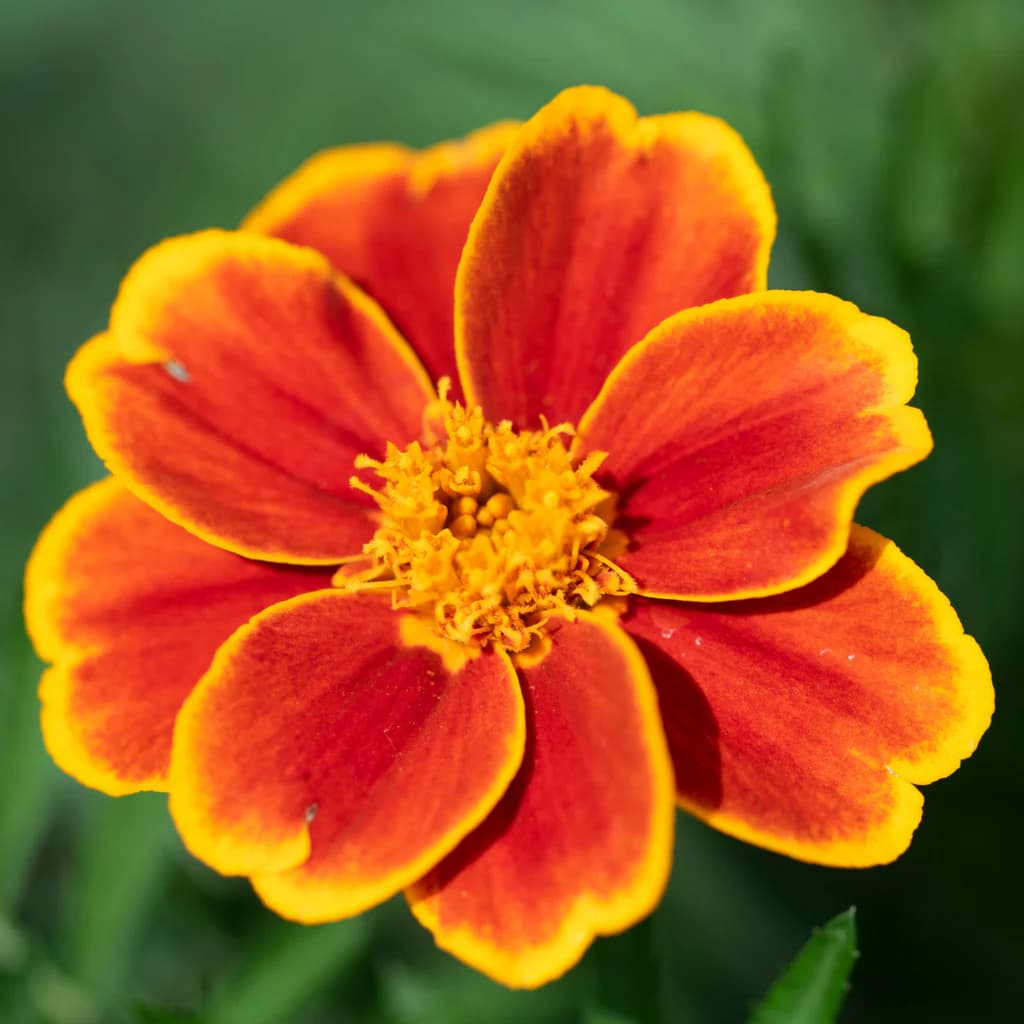
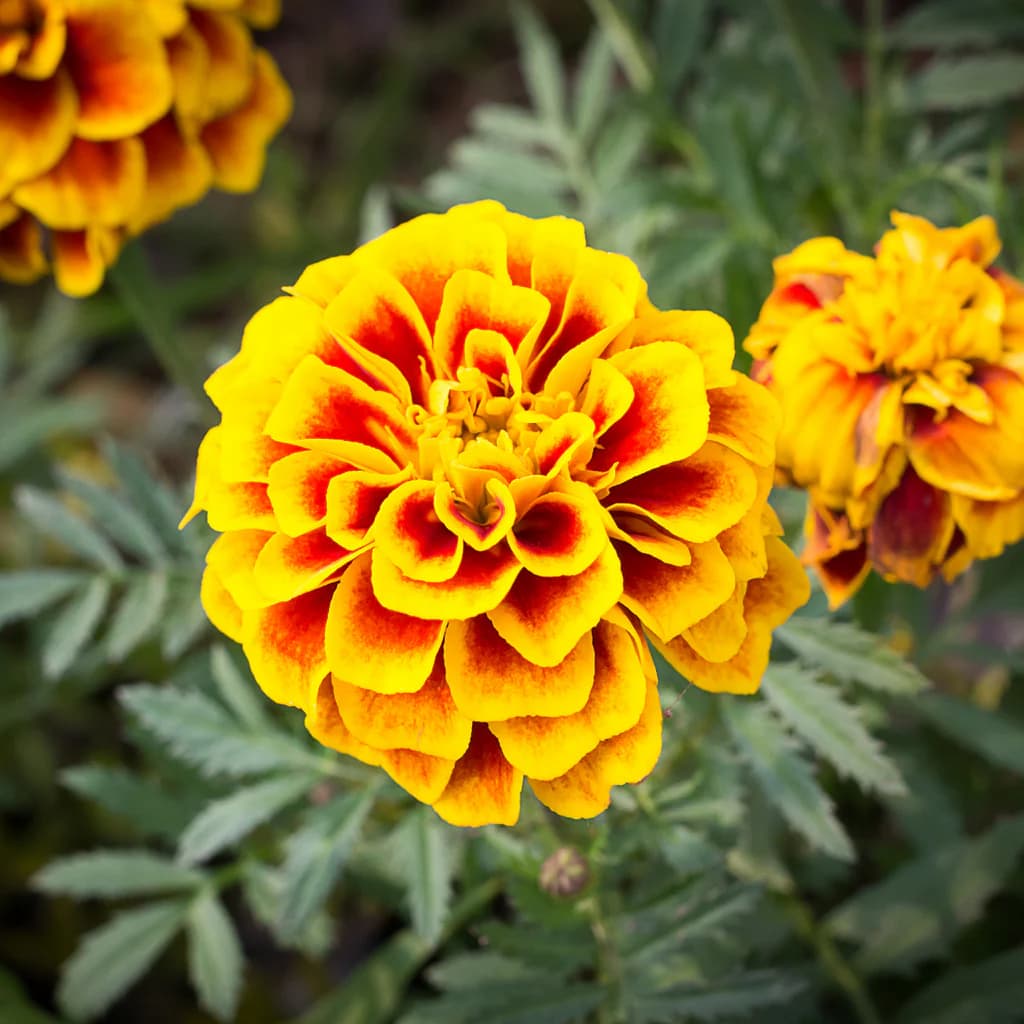
The marigold (Tagetes species) is October's primary birth flower. Native to Mexico and Central America, marigolds produce densely packed, ruffled blooms in rich golden, orange, and russet tones that seem to capture the essence of fall itself. Their strong, distinctive scent and bold colors make them one of the most culturally significant flowers in the world.
The cosmos (Cosmos bipinnatus) is October's secondary birth flower. With open, daisy-like blooms perched on tall, slender stems and feathery foliage, cosmos dance in the slightest breeze. Available in shades of pink, white, red, and purple, they bring a contrasting delicacy to the marigold's boldness.
Marigold: Meaning & Color Symbolism
Marigolds carry deep symbolic weight across cultures: sacred offerings in India, guiding flowers for the departed in Mexico. The shade of a marigold shifts its meaning in important ways:
Marigold Meanings by Color
Golden Yellow
Joy, optimism, and positive energy
Deep Orange
Passion, creativity, and warmth
Russet Red
Courage, deep affection, and grief
Cream / White
Purity, truth, and good wishes
Bicolor (Red & Gold)
Celebration, festivity, and abundance
Pale Yellow
Gentle affection and quiet happiness
Cultural Significance
In Mexico, marigolds are called "flor de muerto" (flower of the dead) and are central to Day of the Dead celebrations. Their vibrant orange petals are scattered in paths from cemeteries to homes, and their strong scent is believed to guide the spirits of the departed back to their families for a night of reunion and celebration.
In India, marigolds are woven into garlands for weddings, religious ceremonies, and festivals. They decorate temples, welcome guests, and symbolize auspiciousness and good fortune. The name "marigold" itself comes from "Mary's gold": in medieval Europe, the flowers were offered at statues of the Virgin Mary and used to decorate churches.
Cosmos: Meaning & Symbolism
The cosmos symbolizes order, harmony, peace, and wholeness. Its name comes from the Greek word "kosmos," meaning "ordered universe" or "world order." When 18th-century Spanish botanists first encountered cosmos flowers in Mexican mission gardens, the perfectly symmetrical arrangement of their petals struck them as a reflection of cosmic balance.
In Victorian flower language, cosmos represented modesty and joy. The flower's open, unassuming beauty (neither showy nor overpowering) conveyed an appreciation for the simple, natural order of things. A gift of cosmos said: I find beauty in simplicity.
Today, cosmos are beloved for their role in supporting biodiversity. They attract bees, butterflies, and beneficial insects to gardens, and their ability to thrive in poor soil makes them accessible to gardeners everywhere. The rare chocolate cosmos (Cosmos atrosanguineus) produces deep burgundy blooms with an unmistakable chocolate scent.
History of October's Birth Flowers
Marigold History
Marigolds have been cultivated for centuries in Mexico and Central America. The Aztecs considered them sacred, using them in religious ceremonies and as medicinal plants. They associated the marigold with the sun and with death, themes that persist in modern Day of the Dead traditions.
Spanish explorers carried marigold seeds to Europe in the 16th century, where the flowers spread rapidly through gardens and herbal medicine. In medieval Europe, marigold petals were used for dyeing fabrics, flavoring food as a saffron substitute, and treating ailments from toothaches to plague.
Cosmos History
Cosmos are also native to Mexico, but they were not introduced to Europe until the late 18th century. Spanish botanists found them growing in mission gardens and named the flower after "kosmos", the Greek concept of universal harmony, for the orderly, evenly spaced structure of the petals.
By the 19th century, cosmos had become garden favorites across Europe and North America. In Victorian floriography, they represented order and harmony. Today, cosmos are among the easiest and most rewarding flowers to grow from seed, making them staples of cottage gardens and wildflower meadows worldwide.
How to Grow October's Birth Flowers
🌼 Growing Marigolds
- Light:Full sun for best flowering (6+ hours daily)
- Soil:Well-drained, moderately fertile soil
- Water:Moderate: allow soil to dry between waterings
- Zones:Annual in USDA zones 2-11
- Bloom:Late spring through first frost with regular deadheading
- Tip:Avoid over-fertilizing: too much nitrogen produces leaves at the expense of flowers
🌸 Growing Cosmos
- Light:Full sun for the most abundant blooms
- Soil:Lean, well-drained soil (poor soil actually improves flowering)
- Water:Light watering, drought-tolerant once established
- Zones:Annual in USDA zones 3-10; self-seeds readily
- Bloom:Midsummer through fall, 7-10 weeks from seed
- Tip:Direct-sow seeds after last frost: cosmos dislike rich soil and heavy fertilizer
Popular Varieties
African Marigold
Tagetes erecta
Large, showy pompom blooms in bright yellow, orange, and gold, growing up to 3-4 feet tall, ideal as garden focal points.
French Marigold
Tagetes patula
Compact plants with a wider color range, including mahogany red and bicolors, perfect for borders and containers.
Signet Marigold
Tagetes tenuifolia
Dainty single flowers with citrusy scent and edible petals, excellent in salads and as garnishes.
Garden Cosmos
Cosmos bipinnatus
The classic cosmos with daisy-like flowers in pink, white, and red on airy stems, creating a meadow-like effect.
Sulfur Cosmos
Cosmos sulphureus
Bright orange, yellow, and red flowers on compact plants with excellent heat and drought tolerance.
Chocolate Cosmos
C. atrosanguineus
A rare perennial with deep burgundy-brown flowers that emit a distinctive chocolate fragrance.
Interesting Facts
Natural Pest Control
Marigolds repel garden pests including nematodes, aphids, and certain beetles. Companion planting them alongside tomatoes, peppers, and vegetables is a time-tested organic gardening strategy.
Flower of the Dead
In Mexico, marigolds are called "flor de muerto" and are essential to Day of the Dead celebrations. Their bright color and strong scent are believed to guide departed spirits home.
Chocolate-Scented Blooms
The chocolate cosmos (Cosmos atrosanguineus) produces deep burgundy flowers with a genuine chocolate fragrance. It is nearly extinct in the wild, surviving only through cultivation.
Edible Petals
Both marigold and cosmos petals are edible. Marigold petals have a citrusy, slightly peppery flavor and have been used as a saffron substitute for centuries.
Cosmos From Greek
The name "cosmos" comes from the Greek word for "ordered universe." Spanish botanists chose the name because the flower's perfectly balanced petals seemed to embody natural harmony.
Sacred in India
In India, marigolds are the most widely used flower in religious ceremonies. Billions of marigolds are strung into garlands each year for weddings, festivals, and temple offerings.
How to Use October's Birth Flowers
Birthday Bouquets
Pair golden marigolds with pink and white cosmos for a striking October birthday arrangement that balances boldness and elegance. Add autumn foliage for seasonal flair.
Home & Garden
Plant marigolds as natural pest deterrents around vegetable beds. Scatter cosmos seeds in sunny borders for effortless meadow-style displays that attract butterflies and bees.
Tattoo Inspiration
The marigold's layered, ruffled petals make stunning detailed tattoos, while the cosmos's clean, symmetrical shape suits minimalist and geometric styles beautifully.
Special Occasions
Marigolds for autumn harvest celebrations, Day of the Dead altars, and Indian-inspired wedding garlands. Cosmos for sympathy arrangements, simple gifts, or "thinking of you" bouquets.
October Birth Flowers by Date
Marigold and cosmos belong to every October birthday. The flower is fixed for the month; the zodiac sign varies:
October birth flowers for every date
| Date | Zodiac Sign | Birth Flowers |
|---|---|---|
| October 1st | Libra | Marigold & Cosmos |
| October 2nd | Libra | Marigold & Cosmos |
| October 3rd | Libra | Marigold & Cosmos |
| October 4th | Libra | Marigold & Cosmos |
| October 5th | Libra | Marigold & Cosmos |
| October 6th | Libra | Marigold & Cosmos |
| October 7th | Libra | Marigold & Cosmos |
| October 8th | Libra | Marigold & Cosmos |
| October 9th | Libra | Marigold & Cosmos |
| October 10th | Libra | Marigold & Cosmos |
| October 11th | Libra | Marigold & Cosmos |
| October 12th | Libra | Marigold & Cosmos |
| October 13th | Libra | Marigold & Cosmos |
| October 14th | Libra | Marigold & Cosmos |
| October 15th | Libra | Marigold & Cosmos |
| October 16th | Libra | Marigold & Cosmos |
| October 17th | Libra | Marigold & Cosmos |
| October 18th | Libra | Marigold & Cosmos |
| October 19th | Libra | Marigold & Cosmos |
| October 20th | Libra | Marigold & Cosmos |
| October 21st | Libra | Marigold & Cosmos |
| October 22nd | Libra | Marigold & Cosmos |
| October 23rd | Scorpio | Marigold & Cosmos |
| October 24th | Scorpio | Marigold & Cosmos |
| October 25th | Scorpio | Marigold & Cosmos |
| October 26th | Scorpio | Marigold & Cosmos |
| October 27th | Scorpio | Marigold & Cosmos |
| October 28th | Scorpio | Marigold & Cosmos |
| October 29th | Scorpio | Marigold & Cosmos |
| October 30th | Scorpio | Marigold & Cosmos |
| October 31st | Scorpio | Marigold & Cosmos |
October Birth Flower & Birthstone Connection
October's birth flowers and birthstones (opal and tourmaline) share a strikingly colorful, multi-hued nature, all celebrating the beauty of variety and range.
Just as opals display a mesmerizing play of color, marigolds and cosmos come in a rich spectrum of warm tones that mirror autumn's ever-shifting palette.
Both October's flowers and gemstones are deeply associated with creativity and inspiration: the cosmos's balanced beauty echoes opal's internal fire.
The bold warmth of marigolds reflects the striking colors found in tourmaline, while the cosmos's subtle elegance mirrors opal's delicate, ethereal glow.