February Birthstone
Amethyst
The birthstone of peace, clarity, and wisdom — prized by royalty for thousands of years
Quick answer: The birthstone for February is Amethyst.
Amethyst is both the modern and traditional birthstone for February, celebrated for its stunning purple color, affordability, and centuries-old association with clarity and calm.
What Is the Birthstone for February?
The February birthstone is amethyst. This captivating purple variety of quartz has enchanted humanity for millennia with its rich violet hues and powerful symbolism. From pale lilac to deep royal purple, amethyst displays one of the most recognizable colors in the gemstone world.
The name "amethyst" comes from the Greek amethystos, meaning "not intoxicated." Ancient Greeks believed wearing amethyst could prevent drunkenness, and wine goblets were carved from the stone as protection against overindulgence. This association with sobriety evolved into broader meanings of clarity, calm, and clear-headed wisdom.
Today amethyst is one of the most popular and accessible gemstones, making it a perfect choice for February birthday gifts, everyday jewelry, and spiritual practices focused on tranquility and inner peace.
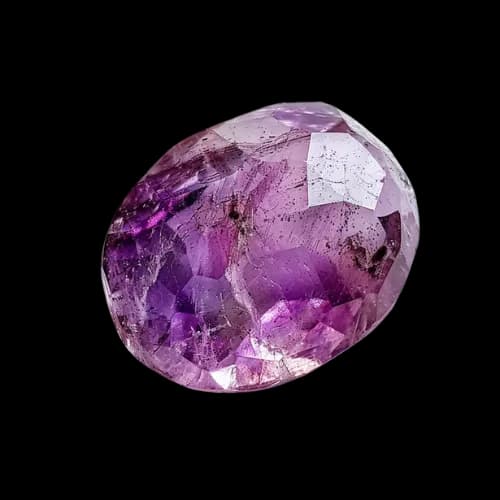
Amethyst Meaning & Symbolism
Across cultures and centuries, amethyst has carried profound meanings that resonate with those born in February.
Peace & Calm
Amethyst is known as the "stone of peace," promoting relaxation, reducing stress, and creating a tranquil environment for reflection.
Protection
From ancient warriors to medieval royalty, amethyst has been worn as a protective talisman against negative energy and harmful influences.
Clarity & Wisdom
Believed to sharpen the mind and enhance decision-making, amethyst encourages clear thinking and intellectual growth.
Spirituality
Associated with the crown chakra, amethyst is prized for enhancing meditation, spiritual awareness, and connection to higher consciousness.
Sobriety & Balance
True to its Greek origins, amethyst represents temperance, self-control, and emotional equilibrium in all aspects of life.
Healing & Purification
Amethyst is believed to purify the mind and body, support restful sleep, relieve headaches, and boost the immune system.
Amethyst Colors & Varieties
While defined by its purple color, amethyst offers a remarkable range of shades and unique varieties:
Siberian Amethyst
Deep Royal Purple
The finest grade — intense purple with flashes of red and blue. Commands the highest prices regardless of origin.
Rose de France
Pale Lilac
A delicate lavender variety that has surged in popularity for its soft, romantic appeal in modern jewelry.
Ametrine
Purple & Gold
A rare natural blend of amethyst purple and citrine yellow-orange in a single stone, found mainly in Bolivia.
Chevron Amethyst
Purple & White Bands
Striking V-shaped patterns of amethyst and white quartz, popular for carvings and cabochon jewelry.
Prasiolite
Mint Green
Known as "green amethyst," this heat-treated variety displays a soft green hue. Natural prasiolite is extremely rare.
Cathedral Amethyst
Varied Purple
Spectacular geode formations with tall crystal spires, highly prized by collectors for their cathedral-like shapes.
Why Is Amethyst the February Birthstone?
The connection between amethyst and February has deep historical roots. In the ancient world, February marked the transition from winter's grip toward spring's renewal — a time of purification and reflection. Amethyst's association with clarity, sobriety, and calm made it a natural fit for this contemplative month.
The modern birthstone list was officially standardized in 1912 by the American National Association of Jewelers (now Jewelers of America). They confirmed amethyst as the February birthstone, honoring a tradition that stretched back to ancient biblical references and the Breastplate of Aaron, where amethyst represented one of the twelve tribes of Israel.
Amethyst also connects to both February zodiac signs: Aquarius values its intellectual clarity and humanitarian spirit, while Pisces resonates with its intuitive, spiritual energy and emotional depth.
The History of Amethyst
Amethyst's history stretches back thousands of years across multiple civilizations. Ancient Egyptians carved amethyst into amulets and beads, while Greek nobility drank from amethyst-studded goblets, believing the stone would ward off intoxication. The mythological origin involves Dionysus, the god of wine, whose wrath was calmed when the maiden Amethystos was transformed into a white crystal — which Dionysus then stained purple with wine in remorse.
During the Middle Ages, amethyst was considered equal in value to diamond, ruby, and sapphire. It adorned the crowns, scepters, and ecclesiastical rings of European royalty and clergy. The stone symbolized piety and celibacy, making it the preferred gemstone for bishops' rings in the Catholic Church — a tradition that continues today.
The discovery of vast amethyst deposits in Brazil during the 19th century dramatically increased supply and made the stone more accessible to the general public. Despite this, amethyst has never lost its prestige. The British Crown Jewels feature prominent amethysts, and it remains a favorite of jewelers and collectors worldwide.
Leonardo da Vinci wrote that amethyst could dissipate evil thoughts and quicken intelligence. In Tibetan Buddhism, amethyst prayer beads are still used for meditation, reflecting the stone's enduring spiritual significance across cultures and centuries.
Amethyst Properties
⚛Physical Properties
- Mineral
- Quartz (SiO₂)
- Hardness
- 7 on Mohs scale
- Crystal System
- Hexagonal
- Refractive Index
- 1.544-1.553
- Chemistry
- SiO₂
- Color Range
- Purple (pale lilac to deep purple)
🌎Where Amethyst Is Found
Amethyst is found across the globe, with each region producing stones of distinct character:
How to Care for Amethyst Jewelry
Amethyst is durable enough for everyday wear, but proper care will keep it vibrant for generations:
Clean amethyst jewelry with mild soap and warm water using a soft brush.
Ultrasonic cleaners are generally safe, but avoid if the stone has fractures.
Steam cleaning is not recommended for amethyst.
Avoid prolonged exposure to strong sunlight, which can fade amethyst's color over time.
Remove amethyst jewelry before using household chemicals or before activities like swimming in chlorinated pools.
Store amethyst pieces separately from harder gemstones to prevent scratching.
How to Choose Amethyst Jewelry
When shopping for amethyst jewelry, prioritize color depth and saturation. The most desirable amethysts show a rich, even purple with flashes of red or blue — often called "Siberian" quality. Pale lavender "Rose de France" amethysts are also popular for their delicate, romantic appearance.
- 1. Color first: Look for medium to deep purple with no visible brown or gray tints. Even saturation throughout the stone is key.
- 2. Clarity: High-quality amethyst should be eye-clean. Inclusions are uncommon in well-cut stones.
- 3. Cut: Amethyst takes well to all cuts — round, oval, emerald, and fantasy cuts that maximize the purple color.
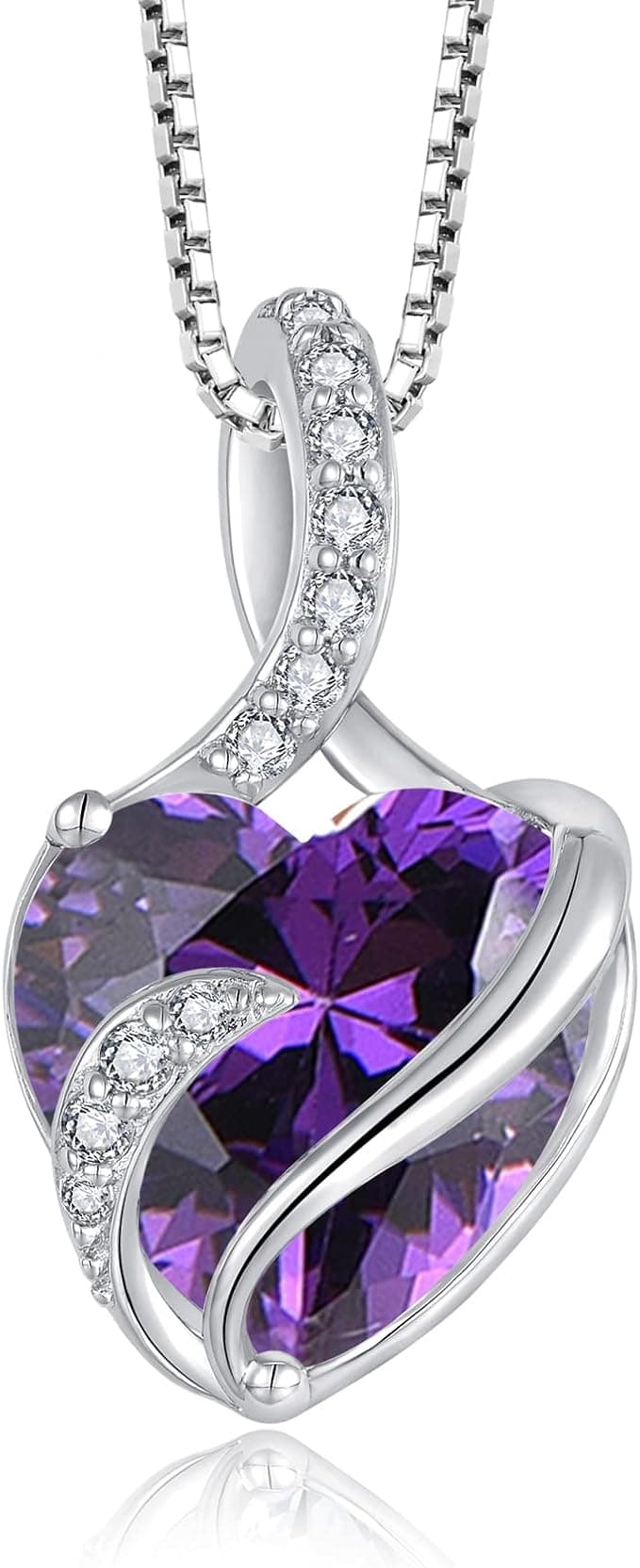
- 4. Setting: White metals like silver and white gold enhance the purple hue, while rose gold creates a warm, romantic contrast.
Fascinating Facts About Amethyst
Amethyst's purple color was once reserved for royalty, and the gemstone has adorned the crowns and jewelry of many royal families throughout history.
When heated, amethyst can change color to yellow or reddish-brown, creating citrine or "burnt amethyst." This discovery led to the commercial production of citrine from amethyst.
Leonardo da Vinci wrote that amethyst could dissipate evil thoughts and quicken intelligence, reflecting the long-held belief in the stone's mental and spiritual benefits.
The world's largest amethyst geode, "The Empress of Uruguay," stands over 10 feet tall and weighs approximately 2.5 tons. It's on display at the Crystal Caves Museum in Australia.
February Birthstone by Date
No matter which day in February you were born, amethyst is your birthstone. Here's how each part of the month connects to amethyst's energy:
February 1–10
Aquarius
Early February births channel amethyst's intellectual clarity and humanitarian vision.
February 11–18
Aquarius
Mid-February Aquarians connect to amethyst's innovative spirit and emotional balance.
February 19–29
Pisces
Late February Pisceans harness amethyst's intuitive wisdom, spiritual depth, and creative imagination.
View All February Dates
February Birth Flower: Violet & Primrose
February's birth flowers — the violet and primrose — beautifully complement amethyst's symbolism. The violet's rich purple hues mirror amethyst perfectly, while both flowers share themes of faithfulness, modesty, and enduring love.
Explore February's Birth Flowers