November Birthstone
Topaz & Citrine
The golden birthstones of strength, abundance, and joy — treasured since ancient times
Quick answer: The birthstone for November is Topaz & Citrine.
Topaz and citrine are both recognized birthstones for November, celebrated for their warm golden hues, impressive durability, and centuries-old reputation for bringing strength and prosperity.
What Is the Birthstone for November?
The November birthstones are topaz and citrine. These two golden gemstones have been paired with November for their warm, sun-kissed colors that echo autumn's last burst of brilliance before winter. While they share a similar golden palette, they are entirely different minerals with distinct properties and histories.
The name "topaz" may derive from the Sanskrit word tapas, meaning "fire," or from the ancient Greek island of Topazios in the Red Sea. For thousands of years, all yellow gemstones were called topaz, a confusion that persisted until modern gemology distinguished topaz as a unique aluminum silicate mineral. Today, topaz is prized for occurring in a rainbow of colors, with imperial topaz and blue topaz being the most sought-after varieties.
Citrine takes its name from the French word citron, meaning "lemon," a fitting tribute to its sunny disposition. A variety of quartz, natural citrine is remarkably rare, and most commercial citrine is actually heat-treated amethyst. Both stones make exceptional November birthday gifts that blend beauty with affordability.
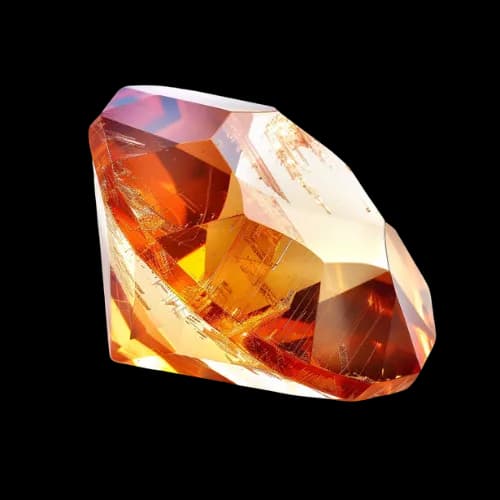
Topaz & Citrine Meaning & Symbolism
Both November birthstones carry powerful symbolic associations that resonate with those born in this month of gratitude and transition.
Strength & Fortitude
Topaz has symbolized physical and mental strength since ancient Greece. Warriors wore it for courage in battle, and it remains a talisman for enduring life's challenges.
Abundance & Prosperity
Citrine is known as the "merchant's stone," believed to attract wealth and success. Historically, traders kept citrine in their registers to encourage financial growth.
Joy & Positivity
Called the "stone of happiness," citrine radiates warm, uplifting energy that dispels negativity and encourages an optimistic outlook on life.
Clarity & Wisdom
Topaz is believed to sharpen the mind and bring mental clarity, helping its wearer make sound decisions and see situations with greater insight.
Healing & Rejuvenation
Both stones are associated with physical healing — topaz for digestive and metabolic support, citrine for boosting energy and revitalizing the body.
Love & Loyalty
Topaz has long been linked to love and fidelity. In the Middle Ages, it was exchanged between lovers as a pledge of devotion and trust.
Topaz & Citrine Colors & Varieties
November's birthstones span a spectacular range of warm tones and beyond. Here are the main varieties:
Imperial Topaz
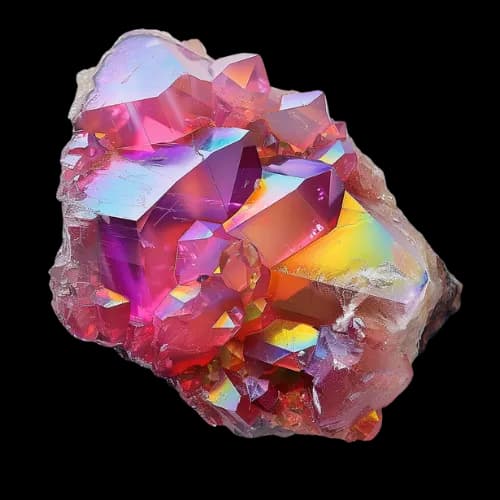
Pinkish-Orange to Red-Orange
The most valuable topaz variety, once reserved exclusively for the Russian imperial family. Prized for its rich, sunset-like hues.
Blue Topaz
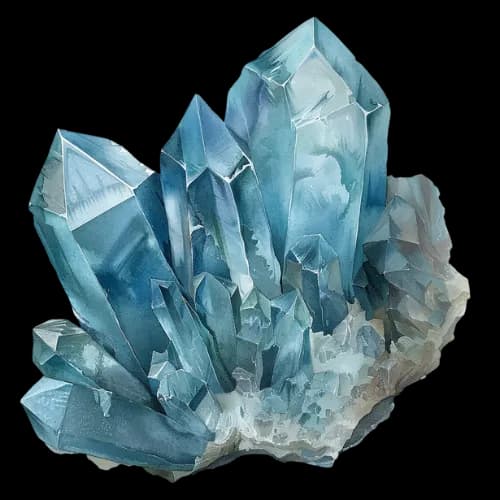
Sky Blue to Deep London Blue
The most popular topaz in modern jewelry. Ranges from pale Sky Blue through Swiss Blue to deep London Blue.
Yellow Topaz
Golden Yellow
The classic November birthstone color. Natural golden topaz displays warm, honeyed tones that glow in any light.
Natural Citrine
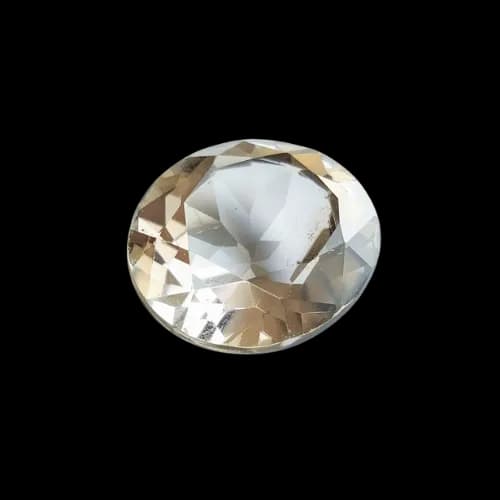
Pale Yellow to Honey
Rare and prized, natural citrine has a subtle, elegant yellow that forms when trace iron is present in quartz.
Madeira Citrine
Deep Orange-Brown
Named after the color of Madeira wine, this deep-toned variety is the most valuable form of citrine.
Ametrine
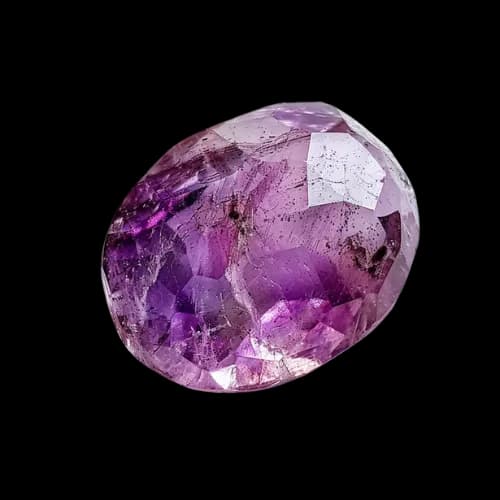
Purple & Yellow Bi-Color
A stunning natural blend of amethyst and citrine in one crystal, found primarily in Bolivia's Anahi mine.
Topaz vs. Citrine: How Do They Compare?
While both are November birthstones with warm golden hues, topaz and citrine differ in important ways.
| Property | Topaz | Citrine |
|---|---|---|
| Mineral | Aluminum silicate fluoride | Quartz (silicon dioxide) |
| Hardness | 8 Mohs | 7 Mohs |
| Color Range | Yellow, blue, pink, orange, colorless, red | Yellow to orange-brown |
| Price Range | $5 – $3,500+/ct (varies by variety) | $5 – $50/ct (most affordable) |
| Crystal System | Orthorhombic | Hexagonal (trigonal) |
| Special Note | Perfect cleavage — handle with care | Most is heat-treated amethyst |
Why Are Topaz & Citrine the November Birthstones?
The pairing of topaz and citrine with November has deep historical roots. For centuries, golden and amber-hued gemstones were associated with autumn's harvest season. Topaz appeared on early birthstone lists dating back to the Breastplate of Aaron and was long considered the sole November stone. Its warm golden color was thought to mirror the fading autumn sun and provide warmth through the approaching cold months.
When the American National Association of Jewelers standardized the modern birthstone list in 1912, topaz was confirmed as November's birthstone. Citrine was later added as an official alternative, partly because historically all yellow gemstones had been grouped under the name "topaz." The addition of citrine also provided a more affordable option that captured the same golden warmth associated with the month.
Together, topaz and citrine connect to November's zodiac signs: Scorpio values topaz's association with emotional strength and transformation, while Sagittarius resonates with citrine's optimistic, adventurous energy. Both stones embody the spirit of gratitude and abundance that defines this season.
The History of Topaz & Citrine
Topaz has a storied past stretching back thousands of years. Ancient Egyptians believed the golden stone drew its color from Ra, the sun god, and wore it as an amulet of divine power. The ancient Greeks associated topaz with strength and believed it could make its wearer invisible in times of emergency. Roman scholars praised topaz for its ability to improve eyesight and calm anger.
During the Middle Ages, topaz was revered across Europe as a healing stone. It was prescribed to cure plague, asthma, and insomnia, and European royalty amassed impressive collections. The Braganza Diamond, a 1,680-carat gemstone set into the Portuguese Crown Jewels, was long believed to be one of the world's largest diamonds before modern analysis revealed it was actually a colossal colorless topaz.
Citrine's historical trail is more modest, largely because it was confused with topaz for most of recorded history. The ancient Romans crafted citrine into beautiful intaglio rings and seals. The gemstone enjoyed a dramatic resurgence during the Art Deco period of the 1920s and 1930s, when Hollywood stars wore elaborate citrine jewelry alongside amethyst and aquamarine in bold, geometric designs.
In Victorian-era Scotland, citrine found in the Cairngorm Mountains became known as "Cairngorm quartz" and was favored by Queen Victoria herself. Her love of Scottish jewelry helped popularize citrine across the British Empire and cemented its reputation as a gemstone of warmth and elegance.
Topaz & Citrine Properties
⚗️Physical Properties
- Mineral (Topaz)
- Aluminum silicate fluoride hydroxide
- Mineral (Citrine)
- Quartz (SiO₂)
- Hardness
- Topaz: 8 / Citrine: 7 on Mohs scale
- Crystal System
- Topaz: Orthorhombic / Citrine: Hexagonal
- Refractive Index
- Topaz: 1.609-1.643 / Citrine: 1.544-1.553
- Color Range
- Topaz: yellow, blue, pink, orange, colorless / Citrine: yellow to orange-brown
🌍Where Topaz & Citrine Are Found
Both stones are mined across the globe, with each region producing gems of distinct character:
How to Care for Topaz & Citrine Jewelry
Both November birthstones are durable enough for regular wear, but a little attention keeps them sparkling for years:
Topaz: Clean with warm, soapy water and soft brush
Citrine: Clean with warm, soapy water and soft brush
Topaz: Ultrasonic cleaners should be used with caution due to topaz's perfect cleavage
Citrine: Ultrasonic cleaners are generally safe for citrine
Topaz: Avoid prolonged exposure to strong sunlight which can fade some colors
Both: Avoid sudden temperature changes
Topaz: Handle with care to prevent impacts that could cause cleavage
Both: Store separately to prevent scratching other gemstones
How to Choose November Birthstone Jewelry
When shopping for November birthstone jewelry, you have the wonderful advantage of choosing between topaz and citrine — or combining both for a stunning warm-toned look. Each stone brings different strengths to different jewelry styles.
- 1. Choose your stone: Topaz for hardness and brilliance in rings; citrine for affordable, large statement pieces like pendants and cocktail rings.
- 2. Color first: Deep, saturated tones command the best value. Avoid stones with overly brown or washed-out color.
- 3. Metal pairing: Golden topaz and citrine look striking in yellow gold. Blue topaz pairs beautifully with white gold or platinum.
- 4. Setting matters: Bezel or protective prong settings are ideal for topaz rings to guard against cleavage. Citrine is more forgiving in any setting style.
Fascinating Facts About Topaz & Citrine
The largest cut topaz in the world is the "American Golden Topaz," weighing an astonishing 22,892 carats (10.1 pounds). It took two years to cut and is displayed at the Smithsonian National Museum of Natural History in Washington, D.C.
Natural citrine is so rare that it's estimated that less than 1% of all citrine on the market today is natural. The vast majority is heat-treated amethyst or smoky quartz, which develops the characteristic yellow to orange color when heated to around 900°F (482°C).
Despite its hardness (8 on the Mohs scale), topaz has perfect cleavage, meaning it can split cleanly along certain planes if struck at the right angle. This property makes cutting and setting topaz challenging for jewelers and requires special care during wear.
Citrine has long been known as the "merchant's stone" or "success stone" because it is believed to bring prosperity and success. Historically, merchants would keep citrine in their cash registers or money pouches to attract wealth and prevent loss.
November Birthstone by Date
No matter which day in November you were born, topaz and citrine are your birthstones. Here is how each part of the month connects to their energy:
November 1–10
Scorpio
Early November births channel topaz's transformative strength and emotional depth during peak autumn energy.
November 11–21
Scorpio
Mid-November connects to citrine's themes of gratitude, abundance, and perseverance through the harvest season.
November 22–30
Sagittarius
Late November harnesses citrine's optimism and topaz's adventurous spirit as Sagittarius season begins.
View All November Dates
November Birth Flower: Chrysanthemum & Peony
November's birth flowers — the chrysanthemum and peony — share topaz and citrine's themes of joy, abundance, and warm beauty. The golden chrysanthemum and sunny citrine both celebrate autumn's rich palette and the spirit of gratitude.
Explore November's Birth Flowers