September Birthstone
Sapphire
The gem of royalty and wisdom — prized for its celestial blue beauty for thousands of years
Quick answer: The birthstone for September is Sapphire.
Sapphire is both the modern and traditional birthstone for September, celebrated for its iconic blue color, exceptional hardness, and centuries-old association with wisdom, loyalty, and royalty.
What Is the Birthstone for September?
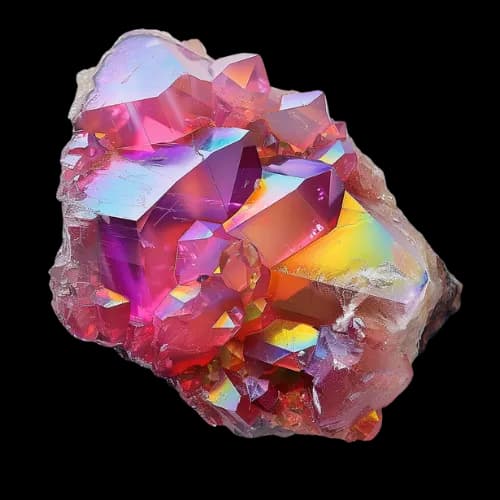
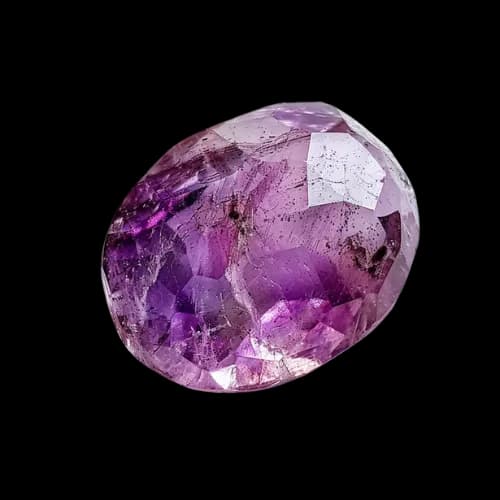
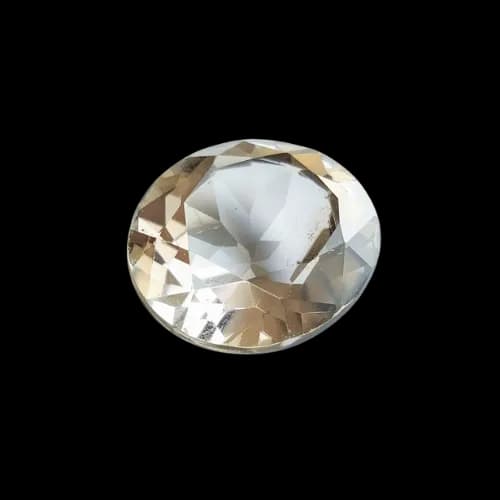
The September birthstone is sapphire. A variety of the mineral corundum, sapphire is one of the most coveted gemstones on Earth — treasured by royalty, clergy, and collectors for thousands of years. While its deep blue color is the most iconic, sapphires actually occur in every color except red (red corundum is classified as ruby).
The name "sapphire" derives from the Latin saphirus and Greek sapheiros, both meaning "blue." Ancient Persians believed the sky was a vast sapphire whose reflection colored the heavens blue. Medieval clergy wore sapphires to symbolize their closeness to Heaven, and kings believed the stone protected them from harm and envy.
With a hardness of 9 on the Mohs scale — second only to diamond — sapphire is one of the most durable gemstones available, making it ideal for engagement rings and everyday jewelry that stands the test of time.
Sapphire Meaning & Symbolism
For centuries, sapphire has carried deep significance across cultures — a stone of the heavens that inspires clarity, honor, and devotion.
Wisdom & Insight
Sapphire has long been the stone of sages and scholars, believed to sharpen the mind, promote clear thinking, and help the wearer discern truth from deception.
Loyalty & Faithfulness
As a symbol of enduring commitment, sapphire is one of the most popular engagement ring stones — representing trust, devotion, and sincere love.
Nobility & Royalty
Worn by kings, queens, and religious leaders throughout history, sapphire embodies dignity, honor, and the weight of noble responsibility.
Truth & Justice
Ancient cultures believed sapphire could reveal truth and expose fraud. Judges and rulers wore it to ensure fairness in their decisions.
Protection & Blessing
From medieval clergy to modern travelers, sapphire has served as a talisman of divine protection — guarding against evil and attracting heavenly favor.
Serenity & Peace
Sapphire's calming blue is associated with mental tranquility, emotional balance, and a deep sense of spiritual peace.
Sapphire Colors & Varieties
Far beyond blue, the sapphire family spans a dazzling rainbow of colors. Each variety has its own character and value:
Blue Sapphire
Cornflower to Deep Blue
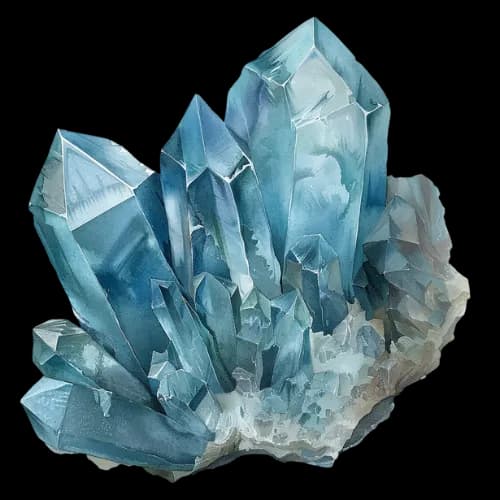
The classic September birthstone — most prized in the velvety "cornflower blue" or "Kashmir blue" hue.
Padparadscha
Pinkish-Orange
Among the rarest sapphires on Earth, named after the lotus blossom for its unique sunset-colored glow.
Pink Sapphire
Soft to Vivid Pink
Increasingly popular for engagement rings and fine jewelry, ranging from delicate pastel to hot pink.
Yellow Sapphire
Lemon to Golden
Bright and cheerful, yellow sapphires offer exceptional brilliance at more accessible price points.
Star Sapphire
Blue or Gray with Asterism
A six-rayed star floats across the surface — created by tiny rutile needle inclusions reflecting light.
Color-Change Sapphire
Blue to Purple Shift
Rare gems that shift from blue in daylight to purple under incandescent light — a natural magic act.
Why Is Sapphire the September Birthstone?
Sapphire's association with September is deeply rooted in ancient tradition. As autumn begins and the days grow shorter, sapphire's celestial blue was believed to capture the clarity of September skies before winter's arrival. Ancient cultures viewed sapphire as a stone of transition and truth — perfectly aligned with the shift from summer abundance to autumn introspection.
The modern birthstone list was standardized in 1912 by the American National Association of Jewelers (now Jewelers of America), and sapphire was formalized as the September birthstone. This choice honored centuries of tradition — sapphire already appeared on historical birthstone lists linked to the Breastplate of Aaron and the foundations of the New Jerusalem described in the Bible.
Sapphire also connects to both September zodiac signs: Virgo values its clarity and analytical power, while Libra appreciates its association with truth, balance, and harmonious relationships.
The History of Sapphire
Sapphire's history spans thousands of years and crosses every major civilization. Ancient Persians believed the Earth rested upon a giant sapphire whose reflection gave the sky its blue color. In Greece and Rome, royalty wore sapphires to shield themselves from envy and harm, and the gem was sacred to the god Apollo — worn when visiting his oracle at Delphi for guidance.
During the Middle Ages, sapphire became the gemstone of choice for European clergy and nobility. The Catholic Church declared sapphire the most appropriate stone for ecclesiastical rings, and bishops wore it to symbolize their connection to Heaven. The stone was also believed to cure eye diseases, discover fraud, and protect against poisoning.
The discovery of sapphires in Kashmir around 1881, following a landslide that revealed a rich deposit high in the Himalayas, produced stones of legendary quality. Kashmir sapphires, with their distinctive velvety blue color, became the benchmark by which all sapphires are judged — and remain among the most valuable gemstones per carat today.
In 1981, sapphire captured the world's imagination when Prince Charles selected a 12-carat blue sapphire engagement ring for Lady Diana Spencer. When Prince William later proposed to Kate Middleton with the same ring in 2010, it sparked a renewed global interest in sapphire engagement jewelry.
Sapphire Properties
⚗️Physical Properties
- Mineral
- Corundum (Al₂O₃)
- Hardness
- 9 on Mohs scale
- Crystal System
- Hexagonal
- Refractive Index
- 1.762-1.770
- Chemistry
- Al₂O₃
- Color Range
- Blue (classic), but also pink, yellow, green, purple, and more
🌍Where Sapphire Is Found
Sapphire is mined across several continents, with each origin producing distinct characteristics:
How to Care for Sapphire Jewelry
Sapphire is one of the most durable gemstones, but proper care will keep it sparkling at its best:
Clean sapphire jewelry with mild soap and warm water using a soft brush.
Ultrasonic cleaners are generally safe except for heavily included stones.
Steam cleaning is generally safe for natural sapphires.
Sapphires are resistant to most chemicals but avoid harsh solutions.
Natural sapphires are generally heat resistant.
Store separately to prevent scratching other gemstones.
While sapphires are durable, they can still be chipped by hard blows, so remove sapphire jewelry during high-impact activities.
How to Choose Sapphire Jewelry
When shopping for sapphire jewelry, color is the most important factor. The finest blue sapphires display a rich, saturated blue without any grayish or greenish cast. Kashmir and Burmese sapphires command the highest prices, while Sri Lankan and Australian stones offer excellent value.
- 1. Color first: Seek vivid, saturated blue with even distribution. The ideal is "cornflower blue" — not too dark, not too light.
- 2. Clarity: Eye-clean sapphires are ideal. Minor inclusions are acceptable and can even indicate natural, untreated origin.
- 3. Cut: A well-cut sapphire maximizes color and brilliance. Oval and cushion cuts are the most popular shapes.
- 4. Treatment: Most sapphires are heat-treated to enhance color. Unheated stones with fine color command significant premiums.
Fascinating Facts About Sapphire
With a hardness of 9 on the Mohs scale, sapphire is the second hardest natural mineral after diamond. This exceptional durability makes it ideal for everyday wear in jewelry, including engagement rings.
Sapphires have long been associated with royalty. Perhaps the most famous royal sapphire is the 12-carat blue sapphire engagement ring that belonged to Princess Diana and is now worn by Catherine, Princess of Wales.
Beyond jewelry, synthetic sapphires are used in a variety of industrial applications, including scratch-resistant watch crystals, high-durability windows, and as substrates in LED production and semiconductor manufacturing.
The largest gem-quality sapphire ever discovered is the "Blue Giant of the Orient," weighing 486.52 carats. The Star of Adam, a star sapphire found in Sri Lanka in 2015, weighs 1,404.49 carats and is valued at approximately $300 million.
September Birthstone by Date
No matter which day in September you were born, sapphire is your birthstone. Here's how each part of the month connects to sapphire's energy:
September 1–10
Virgo
Early September births channel sapphire's analytical clarity and wisdom — perfect for Virgo's sharp, discerning nature.
September 11–22
Virgo
Mid-September connects to sapphire's themes of loyalty and devotion, deepening connections as autumn begins.
September 23–30
Libra
Late September harnesses sapphire's energy of truth, balance, and justice — aligning with Libra's quest for harmony.
View All September Dates
September Birth Flower: Aster & Morning Glory
September's birth flowers — the aster and morning glory — share sapphire's themes of wisdom, devotion, and elegant beauty. The aster symbolizes love and patience, while the morning glory represents affection and renewal — qualities that pair naturally with sapphire's loyal, regal energy.
Explore September's Birth Flowers