Sapphire Engagement Rings: A Complete Buyer's Guide to Styles, Colour and Price
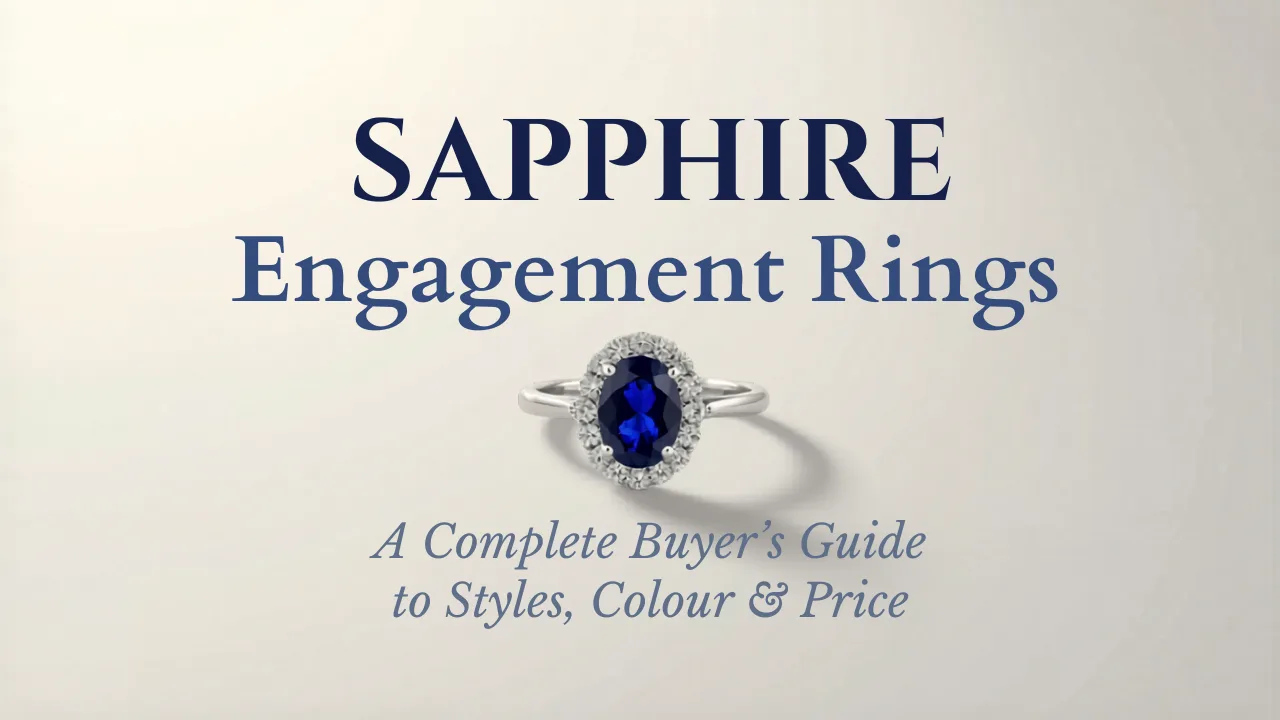
The sapphire engagement ring is having a moment, and honestly it never really went away. The single most recognisable engagement ring on the planet, the 12-carat oval blue sapphire that went from Diana to Catherine, is a sapphire. Every proposal season a fresh wave of couples looks past the diamond and lands on that same deep blue, and we think they are onto something.
We will give you our opinion up front, because it runs through this entire guide: for an engagement ring that is not a diamond, sapphire is our number one pick, and it is not a close call. It is the second-hardest gem on earth, it carries a thousand years of meaning around truth and faithfulness, and it costs a fraction of a diamond for the same visual impact. The catch is that "sapphire engagement ring" covers a huge range of colours, cuts, settings and prices, and the gap between a smart buy and an overpriced one is wide. This guide is how you stay on the right side of it.
If you want the full background on the stone itself, its colours, lore and value, our complete September sapphire guide is the companion piece. Here we are focused entirely on the ring.
Why Sapphire Beats the Other Coloured Stones for a Ring
An engagement ring is not like other jewellery. It is the one piece a person wears every single day, for decades, through washing up, the gym, gardening and everything else life throws at a hand. That daily-wear reality is the whole argument for sapphire, and it comes down to one number.
Sapphire is corundum, and it sits at 9 on the Mohs hardness scale, beaten only by diamond at 10. That hardness is why a sapphire shrugs off the knocks that would slowly destroy a softer stone. Compare it with the popular alternatives. Emerald is brittle and almost always fractured inside. Opal is soft and can crack. June's pearl scratches if you look at it wrong. Even a lovely aquamarine engagement ring, at hardness 7.5 to 8, is a step down in toughness. Sapphire is the rare coloured gem that is genuinely built for a lifetime on a finger.
Add the meaning. For a thousand years sapphire has been the stone of fidelity and honest promises. Medieval lore even held that the colour would dull on the hand of an unfaithful wearer, which was peer pressure dressed up as magic, but it tells you exactly what the stone has always symbolised. You are giving a gem that, for most of recorded history, has meant "I am telling the truth." For a betrothal, that is hard to beat.
Sapphire Is Not Just Blue: Choosing Your Colour
This is the single most useful thing to understand before you shop, because colour drives both the look and the price more than anything else. Sapphire comes in nearly every colour there is, and the fancy colours are where the real value hides.
- Blue sapphire. The classic, and what most people picture. The most prized blue is a vivid, slightly violet "royal" or "cornflower" blue, medium in tone and strongly saturated. Avoid stones so dark they read as black in low light, which is the most common mistake we see people make when chasing "deep blue." A lively medium blue outperforms a large inky one every time.
- White (colourless) sapphire. A genuinely durable diamond alternative and a budget hero. It does not have a diamond's fire, so do not expect rainbow sparkle, but it is hard, clear and inexpensive. Searches for white sapphire engagement rings run high for a reason.
- Pink sapphire. Soft and romantic, hugely popular, and a brilliant way to get a coloured ring that still feels delicate. Padparadscha, the rare pink-orange sapphire, is the collector's dream version and priced accordingly.
- Yellow sapphire. Wildly underrated, in our opinion. A clean canary yellow sapphire in yellow gold is one of the most striking and best-value coloured rings you can buy.
- Teal and Montana sapphire. Blue-green stones, often from Montana in the USA, that have become the darling of the modern, ethically minded buyer because they come with full traceability. They have a distinctive moody colour that photographs beautifully.
- Colour-change sapphire. Blue in daylight, purple under warm indoor light. A genuine party trick if you want something nobody else has.
Here is the buying lesson hiding in that list, and our strongest piece of money advice: if you love sapphire but not the blue price tag, the fancy colours give you the exact same legendary durability and royal pedigree for a fraction of the cost. A pink, yellow or teal sapphire is not a compromise. It is often the smarter buy.
The Best Cuts and Shapes for a Sapphire Ring
Cut shape is mostly about taste, but a few shapes genuinely flatter sapphire more than others, and shape also affects how big the stone looks for the money.
- Oval. The royal choice, thanks to that famous ring, and still the most-searched shape. An oval looks larger than a round of the same weight and elongates the finger. If you are not sure where to start, start here.
- Cushion. A soft, slightly antique square with rounded corners. It suits sapphire's rich colour and pairs perfectly with vintage and halo styles.
- Round. Clean, classic and timeless. A round brilliant maximises the play of light in lighter-coloured stones.
- Emerald and radiant. Step cuts and their brilliant cousin give a sleek, architectural look. Emerald cuts show colour beautifully in a deeply saturated stone.
- Pear. A bit of drama and vintage flair, very flattering when set with the point toward the fingernail.
A practical note that saves money: because sapphire is denser than diamond, a one-carat sapphire is physically a little smaller than a one-carat diamond. So shop by millimetre size, not just carat weight, and let elongated shapes like oval and pear do the heavy lifting for visual size.
Settings and Styles, From Solitaire to Toi et Moi
The setting is where personality comes in, and it also affects durability and budget.
- Solitaire. A single sapphire on a plain band. Lets the colour speak, easy to clean, and timeless. Our default recommendation for anyone who wants the stone to be the star.
- Halo. A ring of small diamonds around the centre sapphire. This is the Diana and Catherine look, and it does two clever things at once: it makes the centre stone appear larger and it makes a blue sapphire pop against the white sparkle. Enduringly popular for good reason.
- Three-stone. A centre sapphire flanked by two side stones, often diamonds, said to represent past, present and future. A classic, meaningful choice.
- Vintage and Art Deco. Sapphire and diamond was the signature pairing of the 1920s and 1930s, so genuine and reproduction vintage rings in this style are abundant and gorgeous. If you love detail and geometry, this is your lane.
- Toi et moi. Two stones sitting side by side, "you and me," often a sapphire paired with a diamond. It has surged in popularity and tells a lovely two-people story.
- Sapphire accents on a diamond ring. Do not forget you can flip it. A diamond centre with sapphire side stones or a sapphire-studded band is a subtle way to add the blue and its meaning without making it the headline.
Our honest take: a halo gives you the most visual ring for your money and the most famous look, but a solitaire ages the best and never looks dated. You cannot go wrong with either.
Which Metal Suits a Sapphire?
Metal choice changes the whole feel of the ring, and it interacts with the stone's colour.
- White gold and platinum. The classic partner for blue sapphire. The cool white metal makes the blue look deeper and richer, which is exactly why the royal rings use it. Platinum costs more but is more durable and naturally white forever, while white gold is plated with rhodium that needs occasional refreshing.
- Yellow gold. A warm, vintage-leaning look that has come roaring back into fashion. Yellow gold is stunning with yellow sapphire and gives blue sapphire a rich, old-world feel. It is our favourite pairing for a teal or yellow stone.
- Rose gold. Soft and romantic, especially beautiful with pink and peach sapphires and with teal stones for a modern contrast.
If you are buying blue and want it to look as blue as possible, go white metal. If you want warmth and character, go yellow or rose. There is no wrong answer, only a look.
Natural or Lab-Grown? The Fast-Growing Question
This is the question we get asked most now, and searches for lab-grown sapphire engagement rings have exploded, up several hundred percent year on year. So it deserves a straight answer.
Lab-grown sapphire is real sapphire. It is the identical mineral, corundum, with the identical hardness, colour and durability. The only difference is that it crystallised in a lab over weeks rather than in the earth over millions of years. For an engagement ring worn every day, a lab-grown sapphire performs exactly the same as a mined one and costs dramatically less, which lets you put more of the budget into a bigger stone or a better setting.
The trade-off is the romance and the resale. A mined sapphire carries the story of being pulled from the earth and holds its value better over time. A lab-grown stone has almost no resale value but gives you far more carat and clarity for the money, with a clean conscience about sourcing. Neither is "better." It depends on what you are buying the ring for. We dig into this across every gem in our lab-grown versus natural birthstones guide, and the logic there applies cleanly to sapphire.
One thing to insist on either way: get it in writing. A reputable seller will state plainly whether a stone is natural or lab-grown. If they are vague, walk away.
What You Will Actually Pay, and the Four Questions That Save You Money
Sapphire pricing has a huge range, so here is a realistic frame rather than a single number.
A pretty, heat-treated commercial blue sapphire runs from a few hundred to a couple of thousand dollars per carat. A certified unheated stone from a prestige origin like Kashmir or Burma runs to tens of thousands per carat and is collector territory. Lab-grown sits at the bottom of the range and gives you the most size for the least money. The fancy colours, yellow, green and teal, can usually be had for a fraction of equivalent fine blue, which is exactly where we would shop for value.
Before you pay real money for the centre stone, ask these four questions. They are the same ones we would ask for any serious sapphire, and they matter even more when it is going in a ring you will own forever.
- What is the colour, described honestly? Tone, hue and saturation drive value more than carat weight. Insist on seeing the stone in normal daylight, not just under a jeweller's warm spotlight, which flatters everything.
- Has it been heated, and only heated? Over ninety percent of sapphires are heat-treated to improve colour, and that is completely normal, stable and fine. What should cost much less is anything "diffused" or "glass-filled," which are more aggressive treatments you deserve to be told about.
- What is the origin? It affects the price. It does not affect the beauty. A gorgeous Madagascar or Montana sapphire is a genuinely smart buy, and paying a Kashmir premium for a name rather than for what is in front of you is the most expensive habit in this hobby.
- Is there an independent lab report? For any natural sapphire over a carat, you want a GIA or comparable report stating the treatment and ideally the origin. For a lab-grown stone, you want it documented as lab-grown.
Caring for a Sapphire Engagement Ring
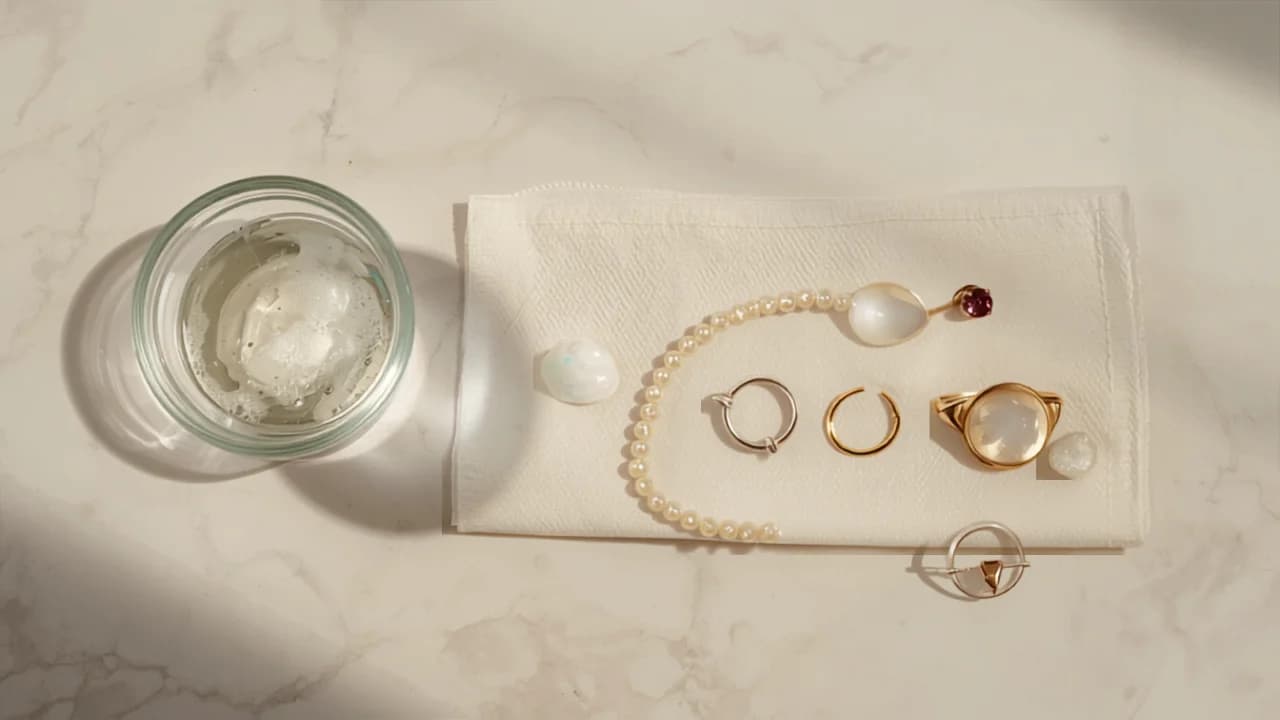
The good news is that sapphire is about the most low-maintenance gem you can put on a ring. Warm soapy water and a soft toothbrush is all the routine cleaning it needs to stay bright. Ultrasonic cleaners are generally safe for plain heat-treated and untreated stones, but avoid them for any fracture-filled stone, which is one more reason to know exactly what treatment yours has had.
Store the ring apart from softer jewellery, because at hardness 9 a sapphire will happily scratch nearly everything else in the box. And have the setting checked by a jeweller once a year, since it is the prongs holding the stone, not the stone itself, that tend to wear out over a lifetime of daily wear.
The Bottom Line: Our Honest Advice for Buyers
A few closing opinions, the kind we would give a friend who just decided to propose with a sapphire:
- Buy the colour, not the carat weight. A vivid, lively medium-blue beats a big dark one every time, and shopping by millimetre size beats shopping by weight.
- Look hard at the fancy colours. Pink, yellow and teal sapphires give you the same durability and prestige as blue for far less money. This is the single biggest value lever you have.
- Accept heat treatment, skip origin snobbery. That is the formula for the most beautiful stone for your budget.
- Take lab-grown seriously. If you want maximum size and a clean sourcing story, it is a smart, identical-performance choice. Just get it documented.
- Spend on the setting and the certificate, not the postcode. Good prongs and an honest lab report protect the thing you actually care about.
For more on styles across every birth month, our month-by-month birthstone engagement ring guide is the next read, and when you are ready to browse pieces, the birthstone jewellery collection is the place to start. For the full story of the stone itself, head back to our complete September sapphire guide or the September birthstone hub.
Sources and Further Reading
- George Frederick Kunz, The Curious Lore of Precious Stones, 1913. Kunz records sapphire's long history as the stone of truth, fidelity and ecclesiastical office, the lore behind its use in betrothal rings. We also wrote a plain-English summary of the whole book.
- For everything about the stone, see our complete September sapphire guide.
- For the natural versus lab-grown question across all gems, see lab-grown versus natural birthstones.
- For settings and styles by month, the birthstone engagement rings guide and the birthstone jewellery collection.
Working out a budget? Our engagement ring budget calculator turns a monthly figure into a realistic ring spend, and the ring size calculator gets the fit right before you order.