A birthstone bracelet is the most-bought, least-understood piece of personalized jewelry in the world. Shoppers reach for it by the thousand every week, then end up with something that arrives lighter than a paperclip and tarnishes before the first season ends.
That's a shame, because the format itself is brilliant. A bracelet sits in the line of sight all day. You see it when you type, when you eat, when you hand someone your phone. Done right, it's the piece of jewelry your recipient looks at most often. Done wrong, it's a $40 mistake that quietly slides into a drawer.
This is the field guide I wish every shopper had open in another tab before clicking "Add to Cart" in May or December.
Why Birthstone Bracelets Got Big Again
The category has been climbing since around 2022. A few real forces are behind it, not just algorithmic luck.
Lab-grown gemstones dropped the price of colored stones by 60 to 80 percent. That means a bracelet with four or five real birthstones is finally a normal gift budget, not a luxury. At the same time, the stacking trend on Instagram and TikTok pushed birthstone pieces into the "everyday meaningful" category instead of the "Mother's Day card add-on" category. The aesthetic shifted from chunky charm bracelets to thin chains, single stones, and clean bezels.
My take: the best birthstone bracelet in 2026 is the one that looks like a thoughtful default, not a personalized novelty. The stones should feel like detail, not the entire point. If the bracelet reads as "BIRTHSTONES" from across the room, the design lost. If it reads as "lovely bracelet" first and the birthstones are a quiet surprise, the design won.
The Five Styles That Actually Sell (And What Each One Is For)
Every birthstone bracelet you'll see online is a variation of one of these five formats. Pick the format first. Everything else is downstream.
1. The Bezel Chain Bracelet
A delicate chain with one or more small bezel-set birthstones spaced along it. This is the dominant 2026 style. It layers with watches, it survives daily wear, and it photographs well on every skin tone.
Best for: 1 to 4 stones, daily wear, anyone under 50, anyone who wears a watch.
Expect to pay: $45 to $120 in sterling silver, $140 to $320 in 14k gold-fill, $400 and up in solid 14k.
2. The Bar Bracelet
The bracelet equivalent of the bar necklace. A short horizontal plate with birthstones set in a row, sometimes with initials or a date engraved below. Sits flat on the wrist and reads cleanly even from across a table.
Best for: 2 to 5 stones, classic gift recipients, anyone who likes the look but finds chunky charm pieces aging.
Expect to pay: $70 to $170 in silver, $170 to $380 in gold-fill.
3. The Tennis Bracelet With Birthstones
An alternating row of birthstones set in a continuous line. This is the upgrade purchase, the "we've graduated past charm bracelets" piece. Usually involves 5 to 12 stones depending on wrist size.
Best for: milestone moments (a major birthday, a 25th anniversary), recipients who already own real jewelry and would notice if you handed them a $40 piece.
Expect to pay: $400 to $1,200 in solid 14k with lab-grown stones. Anything dramatically under that is using glass and plating. Be skeptical.
4. The Bangle With Birthstones
A solid or hinged bangle with one to three set stones. The bangle reads more mature and more "permanent" than a chain. It also doesn't tangle, which is genuinely underrated.
Best for: 1 to 3 stones, recipients who lose chain bracelets, grandmothers who want one piece for one grandchild.
Expect to pay: $80 to $200 in silver, $250 to $600 in gold.
5. The Beaded / Stretch Bracelet
The casual end of the category. Round semi-precious beads (often actual stone, sometimes glass), strung on elastic, with one or two accent birthstones. This is the gift-shop version of the category.
Best for: kids, teens, casual gifting, stocking stuffers, a "just because" piece for $20 to $40. Not for a serious gift.
Expect to pay: $15 to $45. Past $50 you are being overcharged.
If you have to choose blind, the bezel chain is the safest bet. It works for almost any recipient, almost any age, almost any wrist size, and it doesn't go out of style. The bar is the close second.
The Metal Question, Translated
Most of the complaints about birthstone bracelets reduce to one thing: the metal wasn't what the listing implied. Here's the honest translation table.
- Stainless steel: Cheap, doesn't tarnish, but reads industrial. Acceptable for kids, not for a meaningful adult gift.
- Sterling silver (925): The honest baseline. Real silver, will tarnish, polishes back to bright with a $5 cloth. The right answer for most budgets.
- Gold-plated: A microscopic layer of gold over base metal. Looks great in product photos. Wears off in 6 to 18 months on a bracelet (worse than on a necklace, because the wrist gets more friction). Avoid for anything you want kept.
- Gold-filled (14/20): A real layer of gold mechanically bonded to brass. Lasts 10 to 20 years with normal wear. This is the value sweet spot for bracelets.
- Vermeil: Thick gold plating over sterling silver. Better than plating, not as durable as filled, prone to wearing thin at the clasp.
- Solid gold (10k, 14k, 18k): The real thing. Expensive, but it's the only one that becomes an heirloom.
My opinion, said plainly: if you're buying a birthstone bracelet you want worn in five years, choose 14k gold-fill at minimum, or commit to sterling silver and accept the patina. Skip everything labeled "plated." Bracelets get more friction than any other piece of jewelry. Plating is a false economy here, more so than on rings or necklaces.
Real Stones, Lab Stones, or Glass?
This is the part most listings deliberately blur. A birthstone bracelet at any reasonable price is using one of three options, and you should know which one before you click buy.
- Lab-grown gemstones: Chemically identical to natural stone. A lab-grown sapphire is sapphire. This is now the default at the $60 to $400 range and there is nothing wrong with it.
- Cubic zirconia or crystal "in birthstone colors": Glass or CZ cut to mimic the birthstone color. Fine for some contexts (a kid's birthday gift, a casual stretch bracelet), but it is not the stone.
- Resin or epoxy with color: Common on the cheapest pieces. It scratches, it dulls, it can yellow in sunlight. Avoid.
The vocabulary cheat sheet: "lab-grown" or "lab-created" means real stone made in a controlled environment. "Simulated," "created" without "lab," or "crystal" usually means glass. Real natural mined stones cost real money; if a listing mentions natural ruby on a $59 bracelet, the ruby is not natural.
For a quick visual reference of what the real version of each stone should look like, our birthstone colors by month guide is the fastest sanity check before ordering.
The Two Months Where People Mess Up
You'd think the birthstone choice itself is the easy part. It mostly is. Two months trip up almost every bracelet order.
June has three official birthstones: pearl, alexandrite, and moonstone. On bracelets, this gets awkward. Pearl is the cheapest default and the worst choice for a wrist, because pearls get destroyed by sweat, soap, and friction. If the recipient is born in June and you want the piece worn daily, ask for moonstone or alexandrite instead. Our June birthstone hub walks through the differences.
December has three too: turquoise, tanzanite, and zircon. Turquoise is the most common default on bracelets and is genuinely beautiful, but it's also soft (Mohs 5 to 6) and porous, so it absorbs lotions and oils over time. For a December birthstone bracelet meant for daily wear, blue zircon is the more practical pick. Tanzanite is gorgeous on a bracelet but the real thing isn't cheap, and most "tanzanite" beads under $80 are dyed glass.
Every other month, the default stone is fine for bracelet wear. The birthstone chart is the fast reference if you're cross-checking birthdays for a family piece.
Family Bracelets: The Order Decision Nobody Mentions
When you're ordering a multi-stone family bracelet (typically for a mom or grandma), there's an order-of-operations choice that gets glossed over at checkout. It matters more than you'd think.
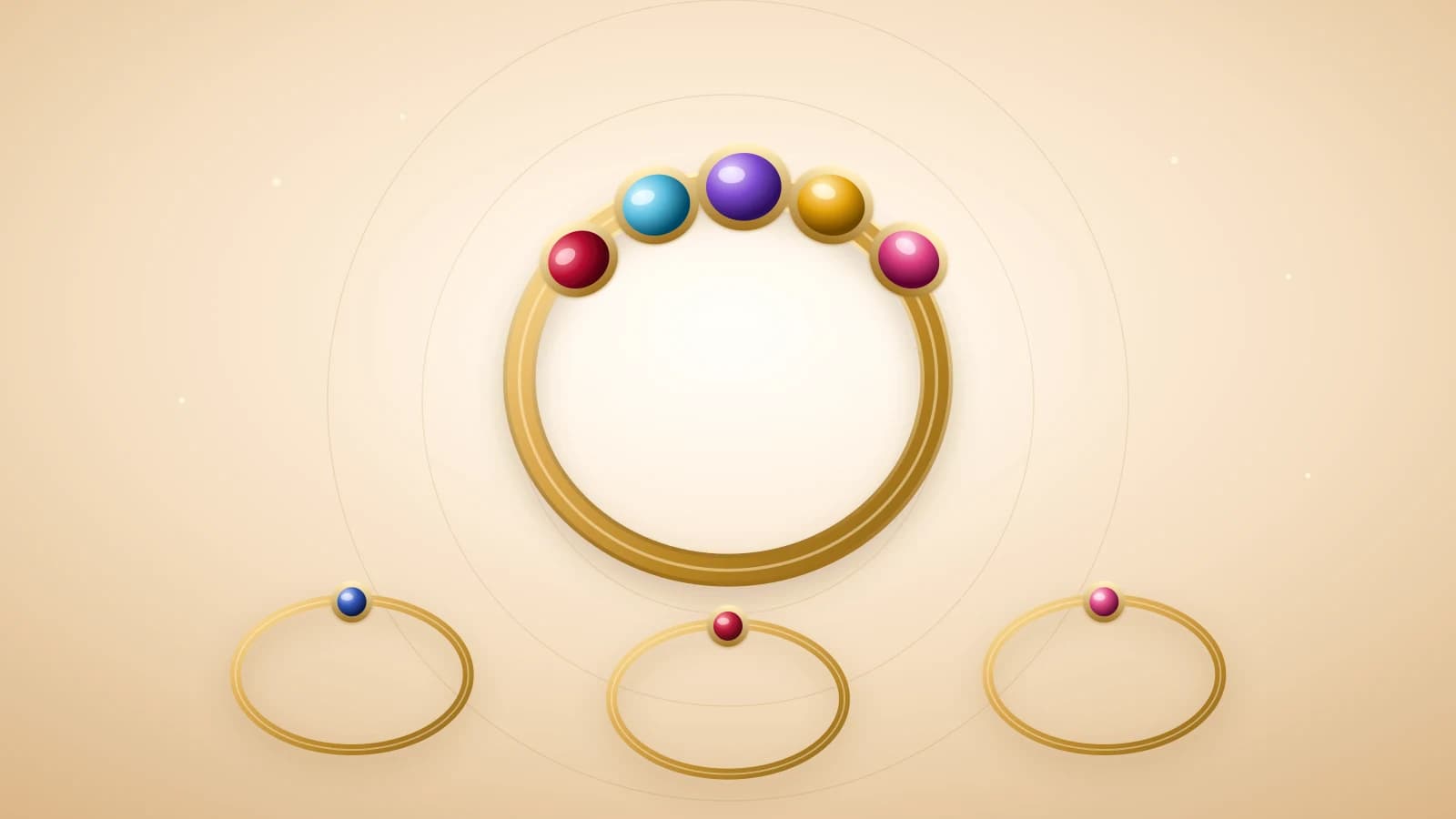
- Birth order (oldest to youngest): The traditional choice. Reads like a family tree. Easy to memorize when explaining the bracelet.
- Calendar order (January through December): Visually cleanest because the colors flow through the spectrum. The objectively prettiest option for 5+ stones.
- Couple in the center, kids outward: A nice option for "two parents, three kids" arrangements. Centers the bond visually.
- Aesthetic order: Picking the order purely on what colors look good together. Heretical to some. Often the right answer.
My honest opinion: aesthetic order wins long-term. The bracelet gets worn for a decade. The birth-order trivia gets explained once. Looks are what determine whether the piece becomes a daily-wear staple or a special-occasion piece. Make it pretty first.
The Wrist-Size Trap
Necklaces are forgiving. Bracelets are not. A bracelet that's a quarter-inch too loose slides over the hand and falls off. A bracelet that's a quarter-inch too tight bites into the wrist and gets taken off after an hour.
Three things to do before buying:
- Measure the actual wrist with a soft tape or a strip of paper, snug but not tight. Add 0.5 inches for a comfortable fit on a chain, 0.25 inches for a bangle, 0.75 to 1 inch for a relaxed stacking fit.
- Look for an adjustable slider or extender chain. This single feature solves 90 percent of fit problems. Any bracelet without one for a multi-stone gift is a gamble.
- Avoid one-size-fits-all bangles for an adult gift unless you've physically tried it on the recipient's wrist. The "fits most" claim is true only in the loosest sense.
If you're buying for a recipient you can't measure, default to 7 inches with an extender. That's the size that fits the largest fraction of adult women's wrists.
A Note on Where to Buy (Without Naming Names)
I'm not going to recommend specific shops, because the good ones change every year and the bad ones rebrand monthly. Here's the four-filter screen that has never failed me.
- The listing shows real, in-focus product photos, not just renders or stock images.
- The metal carries a stamp specified in the listing (925, 14k, 14/20, GF), not a vague "silver-tone" or "gold colored."
- At least one review has a clear, in-focus customer photo of the piece received. Bonus points if the photo shows it on a wrist.
- The shop responds within a day to a "what is the stone actually made of?" message before purchase.
If a seller fails any of these, the bracelet you receive will almost always disappoint. There are dozens of honest sellers in this category and hundreds of dishonest ones. The filter is what saves you.
For a broader look at the whole birthstone category beyond bracelets, our birthstone jewelry guide covers rings, necklaces, and earrings with the same framework.
How to Make It Last
Bracelets fail for boring, preventable reasons. Sweat, lotion, chlorine, soap residue, and the friction of typing on a laptop edge all day. Three habits roughly triple the lifespan of any birthstone bracelet under $300.
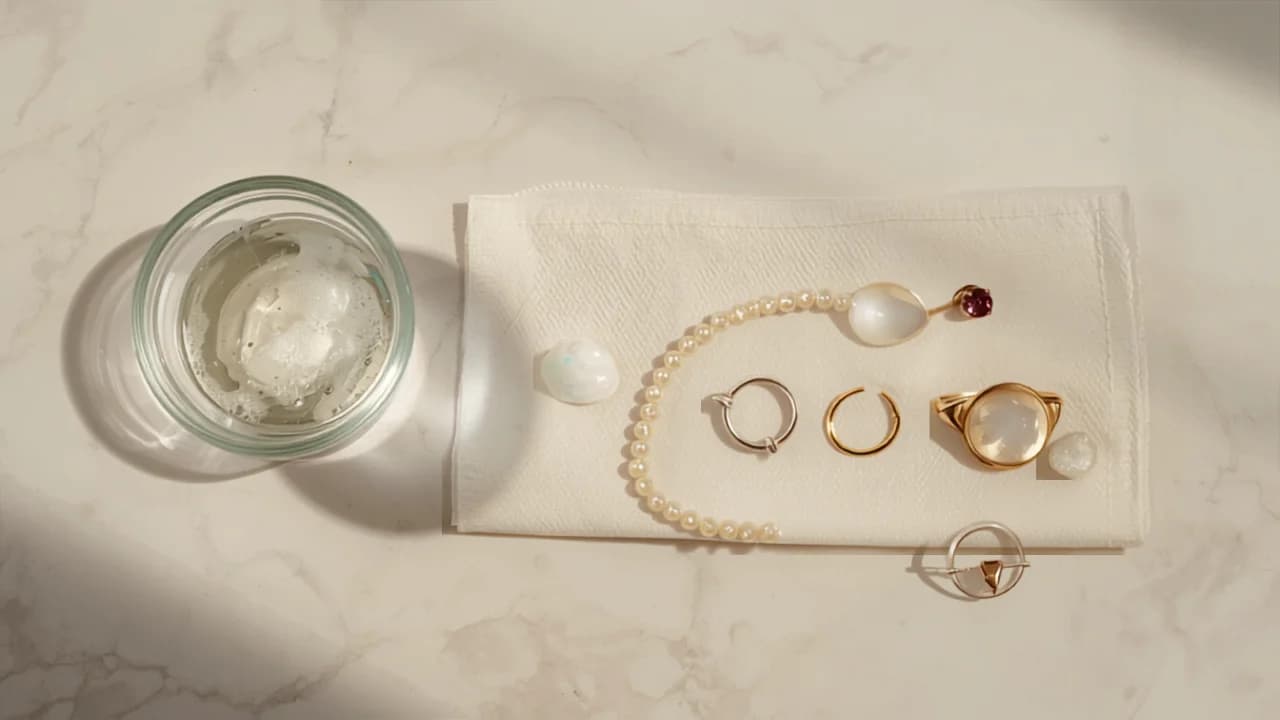
- Take it off before showers, swimming, and gym. Especially anything plated, vermeil, or with porous stones (pearl, opal, turquoise).
- Wipe it with a soft cloth after wear. Ten seconds. Removes the oils and skin acids that cause tarnish and dull bezels.
- Store it flat, not piled. A $4 jewelry tray prevents most of the damage these pieces accumulate. Bracelets that live in a pile of other bracelets scratch each other to death.
Do those three and a $90 sterling bracelet looks fresh in five years. Skip them and a $400 gold-fill piece looks tired in two.
Honest Picks by Budget
The category is wide enough that "what should I buy?" depends almost entirely on what you're spending. Here's how I'd allocate the money at four common gift budgets.
- Under $50: A single-stone bezel chain bracelet in sterling silver with a lab-grown birthstone. Skip multi-stone pieces at this price. They are almost always plated and using glass.
- $50 to $150: Sterling silver or 14k gold-fill bezel chain with 1 to 3 lab-grown stones. This is the meat of the category. You can get something beautiful here.
- $150 to $400: 14k gold-fill bar bracelet or bangle with 3 to 5 lab stones. Or a solid 10k piece with a single stone. Real metal becomes available at this tier and you should take advantage.
- $400 to $1,200: Solid 14k chain or tennis bracelet with lab-grown stones. This is a milestone-gift budget. Anything less than solid gold at this price is overpriced for what it is.
The single biggest pricing mistake I see: people spend $180 on a "gold" plated bracelet thinking they're getting good value, when $180 in sterling silver with real stones would actually last and look like itself in five years. The metal matters more than the metal color.
The Bottom Line
A birthstone bracelet is one of the smartest pieces of personalized jewelry you can buy. It sits in the line of sight, it stacks well with what the recipient already owns, and it carries real meaning without screaming about it.
The trick is in the small choices. Pick the format that fits the number of stones. Pay for real metal, not plating. Be honest with yourself about whether you're buying real stones or beautiful glass, and price accordingly. Measure the wrist or default to 7 inches plus an extender. Restrain the engraving.
Do those five things and you've bought a piece the recipient will reach for week after week, year after year. Which, when you really think about it, is the only metric that matters.
Related reading
- Custom birthstone necklace for mom: an honest buyer's guide
- Birthstone colors by month: a visual guide
- The full birthstone history
- Find your birthstone in seconds
Before you buy, sanity-check what the stones should cost with our gemstone price guide and price the metal with the gold price calculator.